


PROJECT MANAGEMENT BOARD
PROJECT COORDINATOR
PROJECT MANAGER
PROJECT ADMINISTRATION OFFICE
PROJECT MANAGEMENT BOARD (PMB)
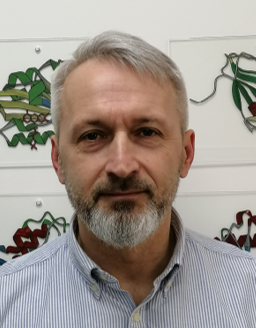
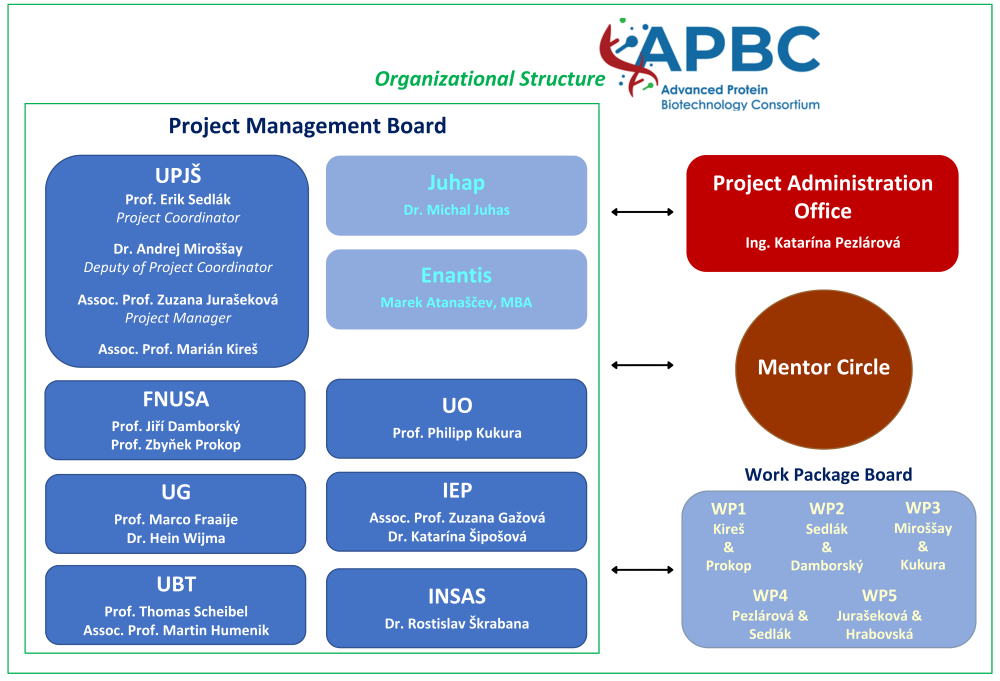
Prof. Erik Sedlák, PhD., DrSc. (UPJŠ) is the head of the Centre for Interdisciplinary Biosciences (CIB) at TIP-UPJŠ. He is a specialist in molecular biophysics, biochemistry, and molecular biology. He received a PhD in Biochemistry (1998), habilitation in Chemistry (2006), the titles DrSc. in Biophysics (2020) and Professor of Biochemistry (2022) at UPJŠ in Košice. He spent over 10 years as a postdoctoral researcher and visiting scientist at internationally recognized institutions, including the University of Bayreuth (Germany), University of Texas Health Science Center at San Antonio (USA), Rice University (USA), and the University of Zürich (Switzerland). Prof. Sedlák is the author of 88 CC publications (64 as first or corresponding author), cited >1500 times, with an H-index of 27. He has coordinated major international projects, including the APBC project (2025–2027) with a budget of €15.6M and the CasProt Twinning project (2021–2023). He has been principal investigator or co-investigator on numerous VEGA and APVV national grants and is a recipient of a Marie-Curie Intra-European Fellowship. He is currently a member of the Scientific Board of UPJŠ and of the Scientific Board of the Faculty of Science, and an elected member of the committees of the Slovak Society for Biochemistry and Molecular Biology. He previously served as President of the Slovak Biophysical Society (2018–2020). Prof. Sedlák has received several awards, including the Best Scientific Work of a Young Scientist in Biophysics (2004) and the Award of the Minister of Education of the Slovak Republic (2004). He has supervised 7 PhD students (plus 2 as consultant) and is currently supervising 3 PhD students.
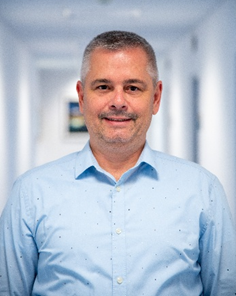
RNDr. Andrej Miroššay, PhD. (UPJŠ) is a Slovak scientist specializing in pharmacology and molecular biology. He began his academic career at Pavol Jozef Šafárik University in Košice (UPJŠ), where he obtained his Master’s degree (Mgr.) in Cell and Molecular Biology in 1997, the RNDr. degree in General Biology in 1999, and subsequently his PhD in Pharmacology in 2002. Since 1997, he has been affiliated with the Faculty of Medicine, UPJŠ, where he works as a research scientist at the Department of Pharmacology. During his scientific career, he has published 24 peer-reviewed scientific articles and achieved an H-index of 15, reflecting his sustained scientific impact. In addition to research activities, he is actively involved in higher education, teaching and supervising students at the bachelor’s, master’s, and doctoral levels. From 2008 to 2016, he served as Director of Project Administration at the Rectorate of UPJŠ, where he managed large-scale university projects, including a €32 million grant for the University Science Park project. Since 2024, he has held the position of Director (Chief Science Officer – CSO) of the Technology and Innovation Park of UPJŠ in Košice (TIP-UPJŠ). The CSO is a senior executive role in science- and innovation-driven organizations, responsible for the strategic direction of research and development and for ensuring the effective transfer of scientific discoveries and innovations into practice. His international research experience includes a position as Research Assistant Professor at the University of North Texas Health Science Center, USA (2005–2007), where he conducted research in molecular biology and immunology and participated in international research projects. From 2002 to 2004, he worked as a postdoctoral researcher at the Max Delbrück Center for Molecular Medicine in Berlin, focusing on molecular medicine, with research results published in high-impact international journals. Dr. Miroššay is a recipient of several prestigious international fellowships, including a Marie Curie Fellowship at the Institut Gustave Roussy in Paris (2001–2002) and a GIGAX Research Training Fellowship at the Children’s Cancer Research Institute in Vienna (2000).
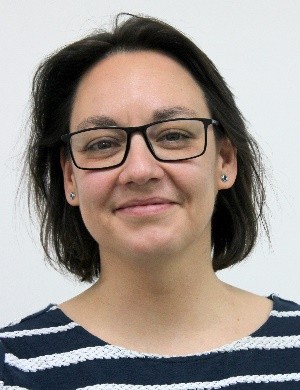
RNDr. Zuzana Jurašeková, PhD., univ. doc. (UPJŠ) is a senior researcher at the Department of Biophysics, Faculty of Science, P. J. Safarik University in Kosice (Slovakia). She completed her PhD studies in 2009 (European Doctorate) at UNED and the Institute of Structure of Matter (IEM CSIC) in Madrid, Spain. She subsequently undertook several postdoctoral research stays at ISOF CNR in Bologna, Italy (2009–2010), and at the Department of Scientific Research of The Metropolitan Museum of Art in New York, USA (2010). In 2011, she returned to her home university in Kosice, where she became responsible for establishing and leading the Laboratory of Raman Spectroscopy. She is a specialist in Raman scattering methods and their applications in biophysics, including studies of ligand–macromolecule interactions, detection of environmental pollutants, cultural heritage analysis, and molecular paleontology. Dr. Jurasekova has participated in numerous national and international research projects as principal investigator, or co-investigator, including APVV, VEGA, KEGA, COST, Marie Curie, 7FP, and H2020 projects. She served as work package leader or project manager in several major EU initiatives (CELIM, NanoScreen, CasProt). She is the author of 31 CC publications, cited >1100 times, with an H-index of 17. She is also the author of one scientific monograph, and three book chapters. She has presented her work at many (inter)national conferences (45 posters, 15 oral presentations, 7 invited lectures) and has supervised three PhD students – two of whom successfully completed their studies within a Double Diploma programme (Slovakia-Spain), while one is still in progress. Her scientific achievements have been recognized with several awards, including the Extraordinary Doctoral Achievement Award from UNED Madrid (2009/2010), the Slovak Biophysical Society Award for Young Scientists (2014), participation in the winning team of Saftra Photonics at the Startup Awards 2017, and selection as a finalist of the L’Oréal–UNESCO For Women in Science program (2018).
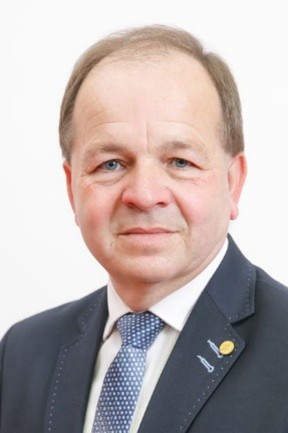
doc. RNDr. Marián Kireš, PhD. (UPJŠ) is the head of the Division of Physics Education at Institute of Physics Faculty of Science UPJŠ and vice-dean for academic affairs at Faculty of Science UPJŠ in Košice. He focuses on physics education, working with gifted young people, training future teachers, and science teachers’ professional development. His research focuses on the development of scientific literacy, inquiry-based learning, and learning space. He has supervised five successfully completed dissertations and is currently supervising one PhD. student. He has supervised 35 diploma theses and 12 rigorous theses. He is a member of the Scientific Council of Charles University in Prague and the Scientific Council of the Faculty of Science at Pavol Jozef Šafárik University in Košice. His work has been cited 165 times in Scopus, with H = 6. He has many years of experience in coordinating educational and research activities, interdisciplinary team building and cooperation development, working in international associations (IUPAP C14 Physics education), project teams, and organizing international conferences (GIREP, HSCI, DidSci) and events (Science on Stage). He was the national coordinator of two FP7 research projects, Establish and SAILS, two DAAD projects, Comenius and Erasmus+ educational projects, and the principal investigator of numerous national APVV, VEGA, and KEGA projects. He has completed several short-term stays at Dublin City University, Ireland, University of Minho, Braga, Portugal, University of Ljubljana, Slovenia, and UAM Poznaň, Poland. He participated in the design, development, and installation of exhibits for the science centre SteelPark Košice. He received the Minister of Education’s Award for Science and Technology 2019 in the category of Science Popularizer. In the national DiTEdu project (digital transformation of education and schools), he is the leader of the working groups Learning environment and Physics.
The PMB also includes the leaders of the partner organizations
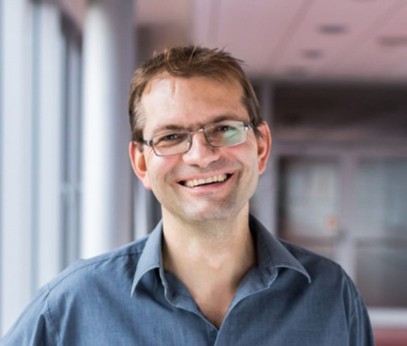
Prof. Mgr. Jiří Damborský, Dr. (FNUSA) holds the Josef Loschmidt Chair Professorship of Biochemistry at the Faculty of Science, Masaryk University, in Brno, Czech Republic. His research group focuses on protein engineering, developing new concepts, microfluidic devices, and software tools for protein engineering (Caver, CaverDock, Hotspot Wizard, FireProt, Calfitter, EnzymeMiner, SoluProt, LoopGrafter, etc.). They utilize these tools for the computational design of enzymes and regularly organize international courses. With over 300 original articles and 20 book chapters published, Jiri Damborsky’s group has also filed 13 international patents. Furthermore, he co-founded the first biotechnology spin-off from Masaryk University, Enantis Ltd. Among his awards and distinctions are the EMBO/HHMI Scientist of the European Molecular Biology Organization, the Howard Hughes Medical Institute, and the Czech Government’s highest national prize, the Czech Head Invention.
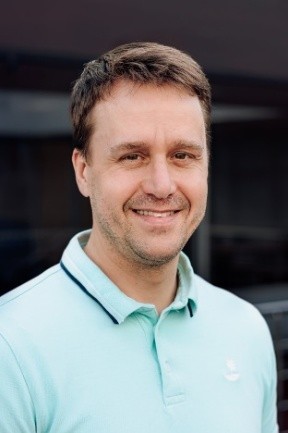
Prof. RNDr. Zbyněk Prokop, PhD. (FNUSA) is a Professor at Masaryk University, working within the Loschmidt Laboratories, where he leads a research team exploring the fundamental principles of protein chemistry, biomolecular mechanisms, and enzyme kinetics. He obtained his Ph.D. at Masaryk University and conducted postdoctoral and research stays at internationally renowned institutions, including the University of Cambridge, ETH Zurich, TU Wien, and the University of Groningen. Professor Prokop has co-authored over 140 peer-reviewed publications (h-index 39), several international patents, and has delivered more than 30 invited and plenary lectures at leading conferences and universities worldwide. His contributions to science have been recognized with major awards such as the Werner von Siemens Award for Excellence in Innovation and the Alfred Bader Prize for Bioorganic Chemistry. Beyond academia, he is a co-founder of the biotech spin-off Enantis Ltd, a company specializing in the development of protein therapeutics and enzyme technologies.
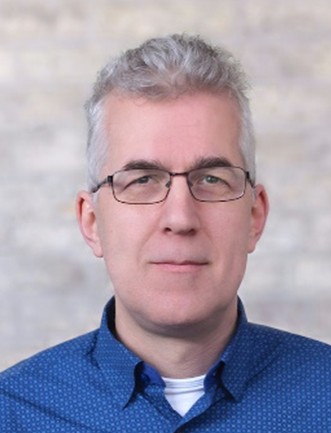
Prof. Dr. Ir. Marco W. Fraaije (UG) leads the Molecular Enzymology group at the research institute Groningen Biomolecular Sciences and Biotechnology (GBB), which is part of the university of Groningen, The Netherlands. His research involves discovery, engineering and application of enzymes, with a focus on oxidative enzymes. Besides exploring the biocatalytic potential of newly discovered or engineered enzymes, research also aims at a thorough understanding of these enzymes. For more details: https://www.rug.nl/staff/m.w.fraaije/research and https://fraaije.info/. He received a PhD in biochemistry (University of Wageningen, 1998), he received an EMBO-fellowship for performing post-doctoral research in the crystallography group of Prof. Dr. Andrea Mattevi (University of Pavia, 1998-2000). He continued his research career at the university of Groningen where he is now full professor of the Molecular Enzymology group. Prof. Fraaije is author of >250 peer-reviewed scientific papers, 20 book chapters, 7 patents (h-index=79, >22000 citations: GoogleScholar, 1 December 2025). He has coordinated several EU-funded projects (EU-H2020 ROBOX research project with 19 partners, 2015-2019; EU-OXYTRAIN training network with 10 partners, 2017-2020; EU-OXYGREEN research project with 12 partners, 2008-2013). He currently is coordinator of the COST Action COZYME (>100 members, 2022-2026). Prof. Fraaije received several awards (incl. Unilever research prize, COIMBRA personal grant (1999), VICI-NWO research grant (2016), and the international BioCat award (2018) for scientific excellence). He has been main organizer of major international conferences: Enzyme Mechanisms EMBO conference (2012), Novel Enzymes (2016), 19th Flavins and Flavoprotein symposium (2017), BIOTRANS2019 (2019). He is also board member of the geological society ‘oertijdmuseum’ (https://www.oertijdmuseum.nl/) and is co-founder (2019) and advisor of GECCO-Biotech (https://www.gecco-biotech.com/). He has supervised 26 PhD students and is currently supervising 6 PhD students.
Dr. Hein Wijma (UG) is a specialist in computational protein design at the Groningen Biomolecular Sciences and Biotechnology Institute (GBB) of the University of Groningen, The Netherlands. He obtained his PhD in experimental biophysical chemistry in 2006 from Leiden University, The Netherlands. He subsequently spent several years abroad as a postdoctoral researcher at Duke University (USA). He also had shorter research stays as a visiting scientist at the University of Oxford (UK) and the University of Washington (USA). Dr. Wijma has (co-)authored 60 peer-reviewed publications, including 13 as first author. His work has been cited more than 2,000 times, resulting in an H-index of 27. He has served as the daily supervisor of five PhD students. His research focuses on the engineering of enzyme stability, activity, selectivity, and related functional properties.
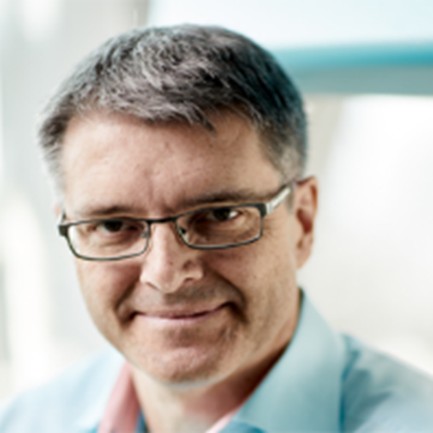
Prof. Dr. Thomas Scheibel (UBT) studied biochemistry at the University of Regensburg (Diploma 1994) and gained there his PhD in 1998. After a postdoc at the University of Chicago (1998-2001) he did his habilitation at the Technical University of Munich (2001-2007). Since 2007, he holds the Chair of Biomaterials at the Faculty of Engineering of the University of Bayreuth. He is co-affiliated with the Faculty of Medicine at Julius-Maximilians-University Würzburg since 2023. He is a member of the German Academy of Science and Engineering (acatech) since 2014. He is the initiator and chair of the “Bioinspired and Interactive Materials” committee of the German Materials Society (DGM) since 2009, site spokesperson for the Tranregio Collaborative Research Center TRR225 “Biofabrication” since 2017, co-founder, shareholder, and consultant of AMSilk GmbH (Munich) since 2008, advisory board member and consultant of Humble Bee Ltd. (New Zealand) since 2023, group leader at Neue Materialien Bayreuth GmbH since 2016, and a member of the editorial board of various scientific journals. Furthermore, he is the director of the Bavarian Polymer Institute as well as Fellow of the Max Plank School Matter to Life since 2025. Concerning teaching, he is the program moderator and chairman of the examination board of the English-language Master’s program “Biofabrication” at the University of Bayreuth since 2017. He has published more than 279 publications, an h-Index of 63 (Web of Science) and 75 (Google Scholar) with 15,394 / 23,065 citations, and he has 18 patents granted and 2 patents pending. The amount of acquired grant money exceeds 30 Mio €. He has supervised 37 PhD students (finished), 22 PhD students (running), 18 Postdocs, 2 Habilitations, 1 finished and 1 running. Amongst his supervised early career researchers 9 gained permanent research positions (lecturer / professors / etc.). He also received numerous awards such as the Dechema Award of the Max Buchner Research Foundation as well as the Karl Heinz Beckurts Award.
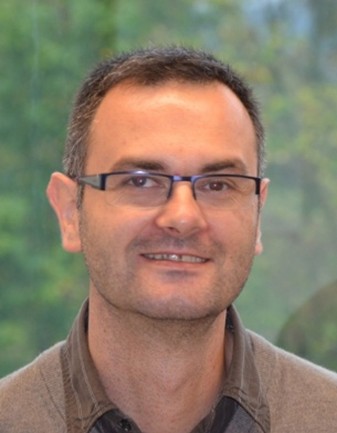
doc. RNDr. Martin Humenik, PhD. (UBT) is a biomaterials researcher and Academic Senior Councilor (Akad. Oberrat) at the Chair of Biomaterials, University of Bayreuth (UBT), Germany. He received his Diploma in Chemistry with a specialization in Organic Chemistry from P. J. Safarik University in Košice, Slovakia (2009), where he also completed his PhD in 2005. His early scientific career included a Marie Curie Fellowship at the University of Milan (2002–2003), followed by postdoctoral research at the Chair of Biochemistry at UBT, focusing on lab-on-chip platforms for bacterial detection in collaboration with Siemens. Since 2009, Dr. Humenik has been part of Bayreuth’s Biomaterials department, where he leads the Hybrid Materials Group. He earned his 2022 habilitation in Technology of Macromolecular Materials at Tomas Bata University in Zlín, specializing in the chemical and physical processing of proteins to create functional surfaces. His research focuses on protein-based and bioinspired materials, with particular emphasis on recombinant spider silk, DNA–protein hybrid systems, and nanostructured biointerfaces. Dr. Humenik has published extensively in leading journals including Advanced Materials, ACS Nano, Advanced Functional Materials, ACS Applied Materials & Interfaces, and Protein Science. He has authored over 55 scientific publications, achieving an h-index of 19 and more than 1,200 citations (Google Scholar). He is an active member of the American Chemical Society, the German Materials Society, and the SFB/TRR 225 Biofabrication Consortium. His academic contributions include service on graduate and interview committees, coordination of laboratory teaching programs, and participation in international PhD defense panels. Dr. Humenik currently contributes to several research initiatives supported by EFRE Bayern, TACR, AZV-CR, Interreg Bavaria–Czechia, and TIC Slovakia.
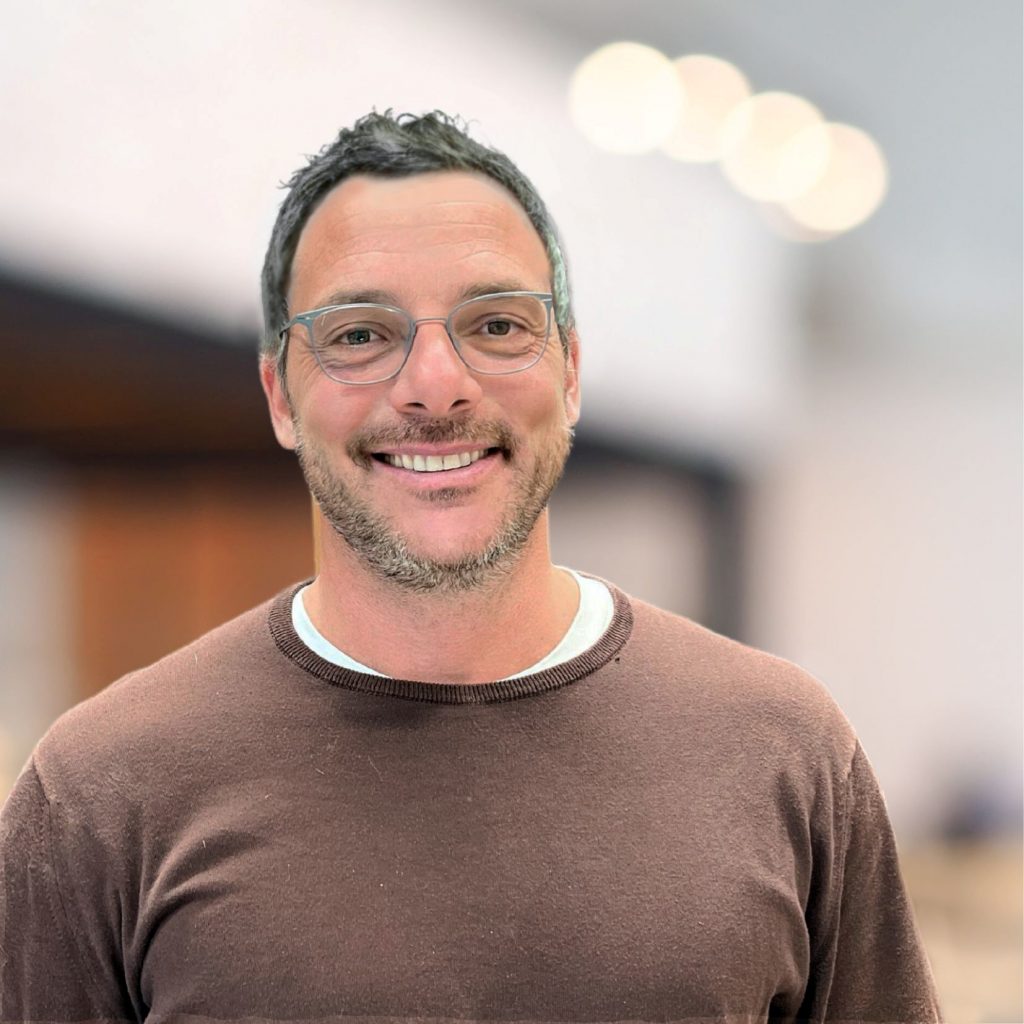
Prof. Philipp Kukura FRS (UO) obtained his MChem from the University of Oxford UK in 2002. He went on to study for his PhD at University of California Berkeley, USA under Professor Richard A Mathis, where obtained his degree in 2006. After a position as postdoctoral fellow at the ETH Zurich in Switzerland, he was appointed a Research Fellow at the University of Oxford in 2010. He was Associate Professor at the University of Oxford from 2011 and was promoted full Professor of Chemistry in 2016. In 2018 he founded Refeyn, a spin-out company to commercialise Mass Photometry that now has over 120 employees with headquarters in Oxford and Boston, as well as representations in China and EMEA. The general focus of Prof Kukura’s research is to implement and use advances in optics and spectroscopy to enable the observation, study and quantification of phenomena that have been thought to be invisible. Professor Kukura is recipient of several ERC, UKRI and Wellcome Trust grants, has authored over 90 papers with a H index of 59, and was elected Fellow of the Royal Society in 2025.
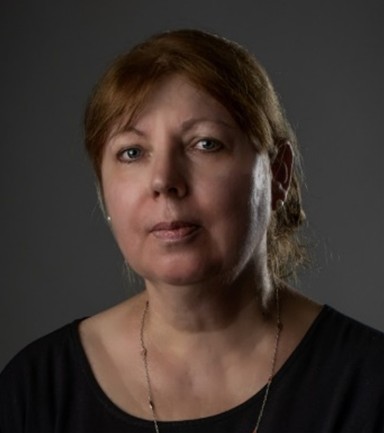
doc. RNDr. Zuzana Gažová, DrSc. (IEP) is director of the Institute of Experimental Physics Slovak Academy of Sciences. She is a specialist in biophysics, biochemistry and chemical physics. She focuses on the study of protein–protein and protein–ligand interactions. Her research is primarily aimed at elucidating the molecular mechanisms of protein amyloid fibrillization. She received a PhD in Biophysics (1998) at Slovak Academy of Sciences, habilitation in Biology (2016) at Slovak University of Agriculture and the title DrSc. in Biophysics (2022) at UPJŠ in Košice. She spent three years as a visiting scientist at Max Planck Unit for Structural and Molecular Biology in Hamburg (Germany). Assoc. Prof. Z. Gažová is the author of more 114 scientific papers indexed in WoS and Scopus, with over 2612 citations (excluding self-citations) and an H-index of 28. After completing her research stay at the Max Planck Institute she established an active research group on protein amyloid aggregation, recognized in the international scientific community. She has served as a principal investigator or lead researcher in numerous international and national projects (EU Recovery and Resilience Plan, Programme Slovakia, COST and JRP projects, APVV, VEGA) with a budget of more than €4M. She maintains strong international collaborations with renowned institutions, including the CNR in Italy, the Polish Academy of Sciences, the University of Modena, East China University in Shanghai, and several research centres in the Czech Republic, Germany and India. She is currently a member of The Learned Society of Slovakia, a member of the Scientific Board of the Faculty of Science and President of the Slovak Biophysical Society. Under her leadership, the research team has received multiple awards, including the Science and Technology Award from the Ministry of Education, Science and Research of the Slovak Republic in the category Scientific and Technological Team of the Year (2017), and the SAS Award (2014 and 2022) for outstanding scientific results in the study of protein amyloid aggregation. She has supervised 4 PhD students (plus 1 as consultant) and is currently supervising 3 PhD students.
RNDr., Ing. Katarína Šipošová, PhD. (IEP) is a biochemist/biophysicist at the Institute of Experimental Physics of the Slovak Academy of Sciences (IEP SAS) in Košice, where she leads the research group Protein-based Supramolecular Complexes. Her work bridges molecular biophysics, protein chemistry, and nanotechnology, with a strong focus on amyloid-forming proteins and the development of innovative protein-based materials. She is the author of 55 CC publications (21 as first-author or corresponding-author), cited ~ 600 times, with h-index of 18. She has supervised 3 PhD students (ongoing), 7 MSc theses, 5 BSc theses, and one rigorous thesis. Dr. Šipošová has been actively leading and participating in a diverse range of international and national research projects, including H2020-MSCA-RISE, M-EraNet, APVV bilateral, SAS-MOST-JRP, SVK-DAD and VEGA grants. From 2017 to 2019, she served as the Scientific Secretary of the Institute, and between 2014 and 2017 she was supported by the prestigious S. Schwarz Postdoctoral Fellowship. She has extensive international experience, including MSCA-RISE internships in Lisbon, a Visegrad–Taiwan Scholarship, and three research fellowships at JINR Dubna. Additional short-term scientific internships in Germany, Taiwan, Romania, and Poland have further strengthened her international collaborations. Her scientific achievements have been recognized with several awards, including the SAS Award for International Scientific and Technical Cooperation (2025), Danubius Young Scientist Award (2017), SAS Young Researcher Award (2017), the Award of the Slovak Biophysical Society for Young Scientist (2014), and the Young Scientist Award of IEP SAS (2011).
RNDr. Rostislav Skrabana, PhD (INSAS) is a group leader of the Structural Biology of Neurodegeneration group at the Institute of Neuroimmunology of Slovak Academy of Sciences (INSAS) in Bratislava. He graduated in Physical Chemistry at Charles University, Prague, Czech Republic and obtained his PhD in Molecular Biology from Faculty of Natural Sciences, Comenius University, Bratislava, Slovakia in 2005. During his work at INSAS he initiated the study of intrinsic disorder of tau protein, the major player in tauopathies. For more than ten years he was employed in biotechnological company Axon Neuroscience (Vienna, Bratislava) where he participated on the preclinical and clinical development of the active and passive vaccines targeting neurodegeneration and viral threats. Currently, the projects investigated by his groups at INSAS employ methods of protein chemistry, protein biotechnology, biophysics and structural biology to characterize disordered proteins of medical importance and protein flexibility in general. Dr. Skrabana’s team is collaborating with NMR groups studying intrinsically disordered proteins in Brno (Prof. Zidek, Dr. Hritz) and in Riga (Dr. Jaudzems), and with X-ray crystallography group at Prague (Dr. Dohnalek). Dr. Skrabana is actively participating in the Czech Society for Structural Biology and Slovak Biophysical Society. He is a co-author of three patents in the field of immunotherapy of tauopathies and COVID-19 and of more than 50 scientific papers, his H-index is 21 (Clarivate, Dec 2025). Dr. Skrabana supervised over 15 master and graduated students working on projects in the field of intrinsically disordered proteins and immunotherapy. He is principal investigator or co-investigator of several national and international grants (VEGA, APVV, ICGEB, COST, Horizon2020).
JUDr. Ing. Michal Juhás (Juhap) is the Director of JUHAPHARM s.r.o. and a long-standing expert in law, regulation, and corporate management within the healthcare sector. He has more than a decade of experience in legal advisory, regulatory compliance, documentation oversight, and organizational management. Alongside running his own law firm – where he specializes in legal services for healthcare entities with a focus on contract preparation and review, internal processes, regulatory documentation, and support in fulfilling legal obligations of medical device manufacturers and distributors – he also holds key managerial and executive positions in several companies engaged in the development, production, and distribution of medical devices and related services. Dr. Juhás earned the JUDr. degree following the completion of his bachelor’s and master’s studies at the Faculty of Law of Pavol Jozef Šafárik University in Košice (2005–2010), finalized by the successful completion of a rigorous examination. In parallel, he studied Business Economics at the University of Economics in Bratislava (Faculty of Business Economics in Košice), where he likewise obtained both bachelor’s and master’s degrees (2005–2010). The combination of legal and economic education forms the foundation of his professional profile, integrating legal oversight, corporate management, and regulatory competencies. Since 2013, he has served as a Scientific Research Manager at AURORA R&D s.r.o., where he is responsible for operational, legal, and documentation processes in the field of medical devices, including oversight of internal procedures, documentation flows, and regulatory compliance. He has held similar responsibilities since 2012 at DC MEDICAL s.r.o., where he oversees managerial, quality, and administrative processes in the healthcare domain. As Head of Scientific Research at JUHAPHARM s.r.o. (since 2012), he is responsible for long-term corporate management, legal oversight, internal processes, strategic direction, and regulatory documentation related to the company’s products and services. He gained international experience already during his studies, including participation in EXPO Science International in Moscow (2003), a legal internship at the Institute for Monitoring Human Rights in Vilnius (2008), and a legal-economic internship at US Steel Košice (2009).

Mgr. Marek Atanasčev, MBA (Enantis) is an accomplished international business and export professional with extensive experience in cross-border business development and strategic leadership. He studied Romance languages at Masaryk University in Brno and later completed an MBA at LUISS Guido Carli – LUISS Business School in Rome, Italy. He is also a graduate of the Diplomatic Academy of the Czech Ministry of Foreign Affairs, where he completed the diplomatic minimum program. Throughout his career, Marek has worked in international trade, export promotion, and foreign business development across Italy, Portugal, and Brazil, gaining experience in both the public and private sectors. Marek served as Head of CzechTrade in Milan and simultaneously led CzechInvest operations in Italy. In addition, he held the position of Deputy Director for Southern Europe and the Balkans, where he was responsible for coordinating regional export and investment activities and supporting Czech companies in their international expansion. He currently serves as Chief Executive Officer of Enantis, a leading Czech biotechnology company specializing in protein engineering. As CEO, he focuses on scaling the company’s international presence, building strategic partnerships, and translating cutting-edge scientific innovation into global commercial success.