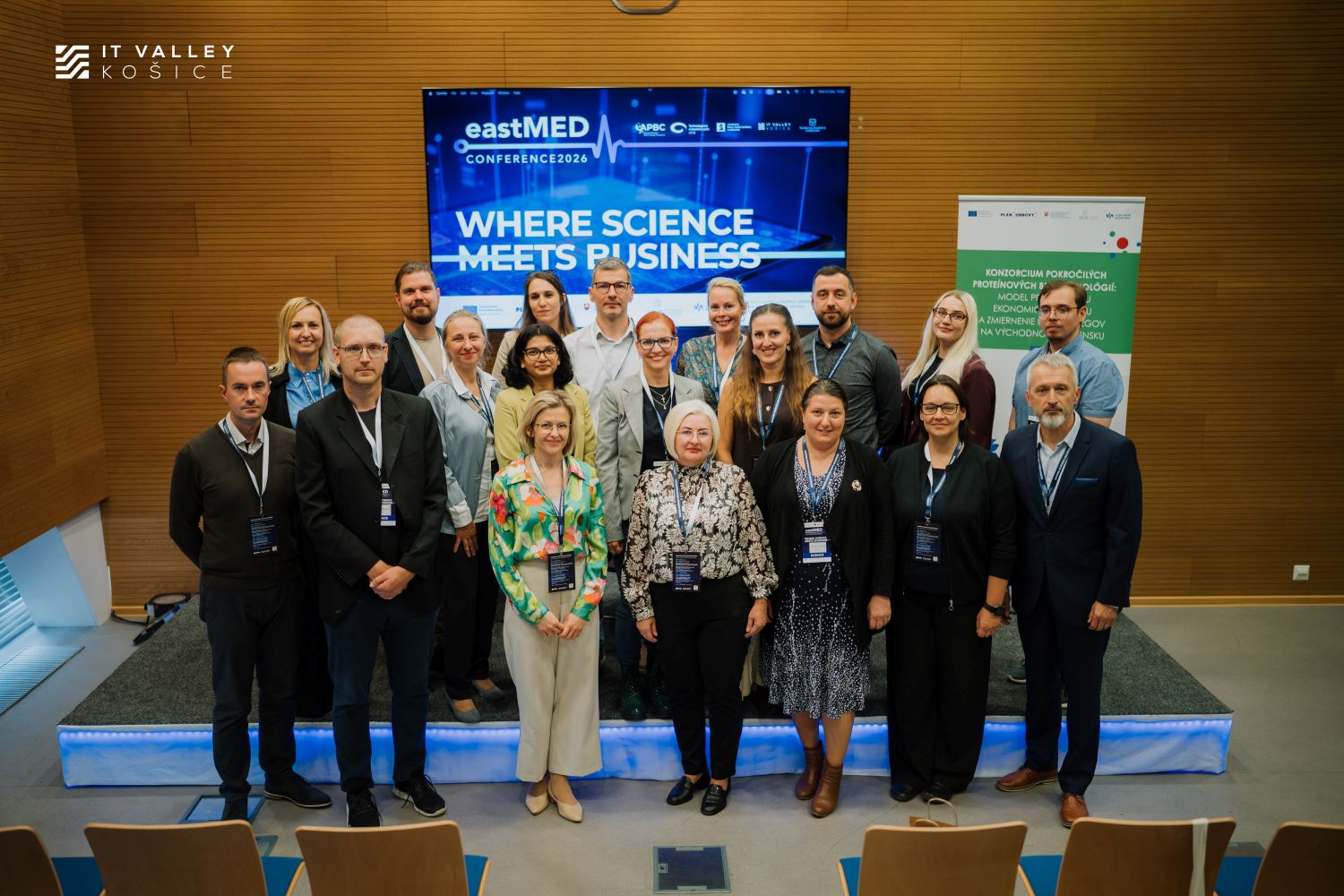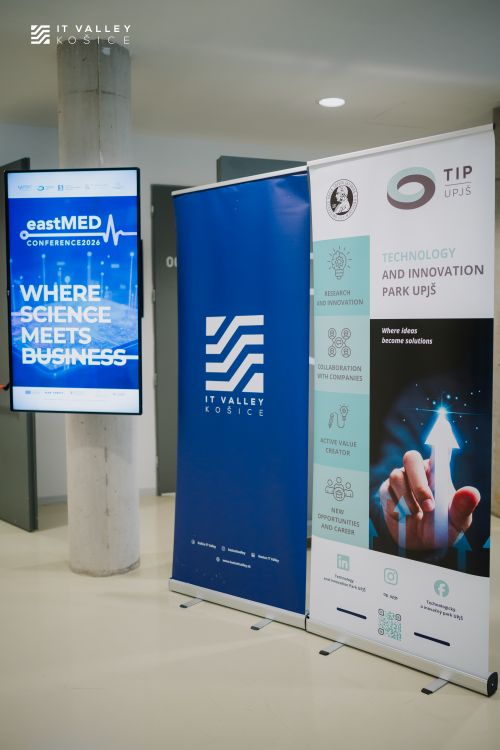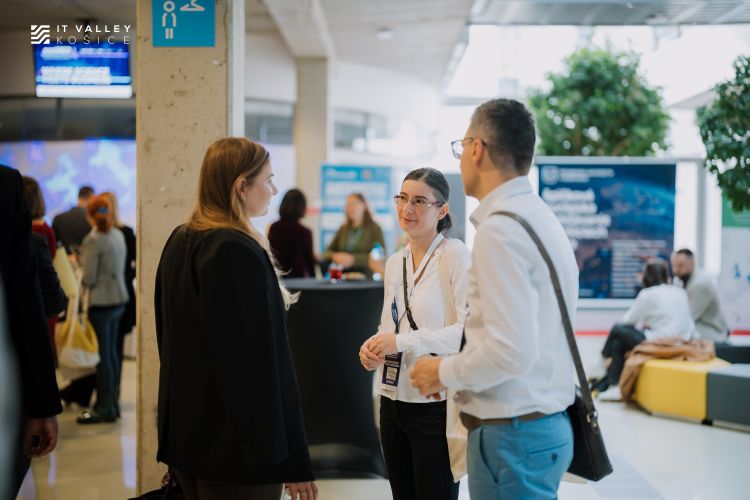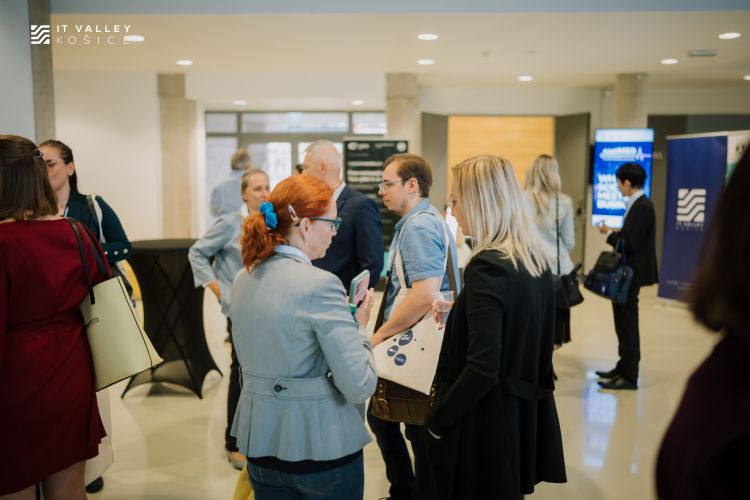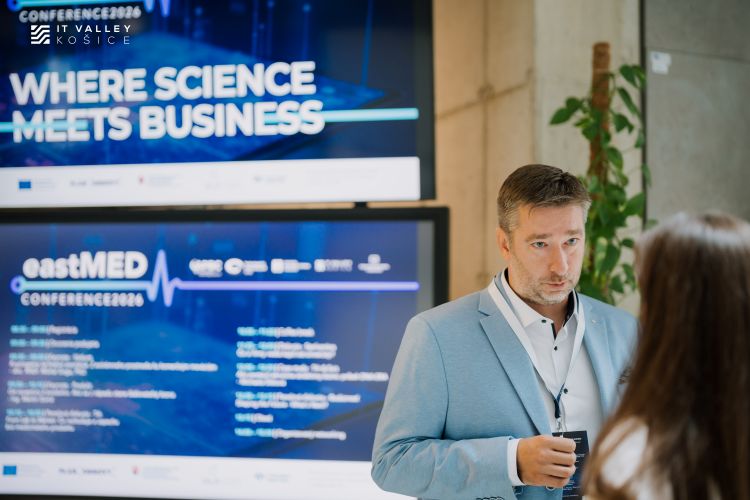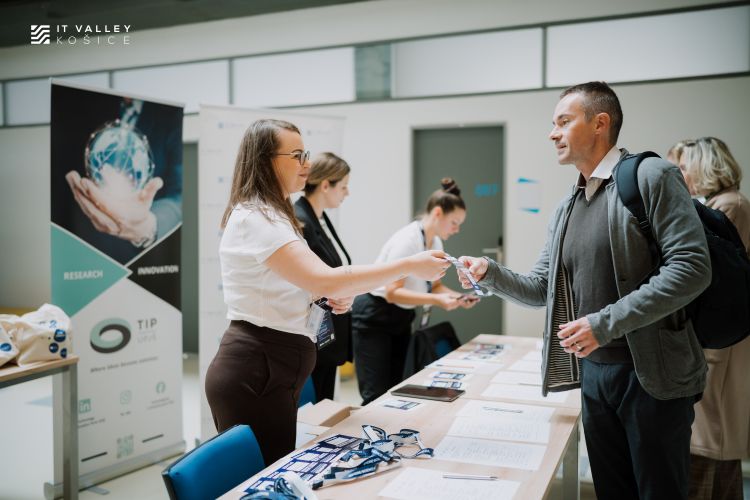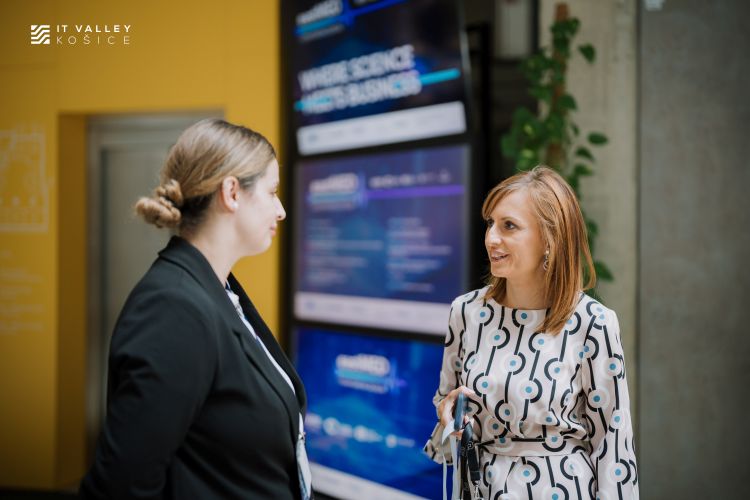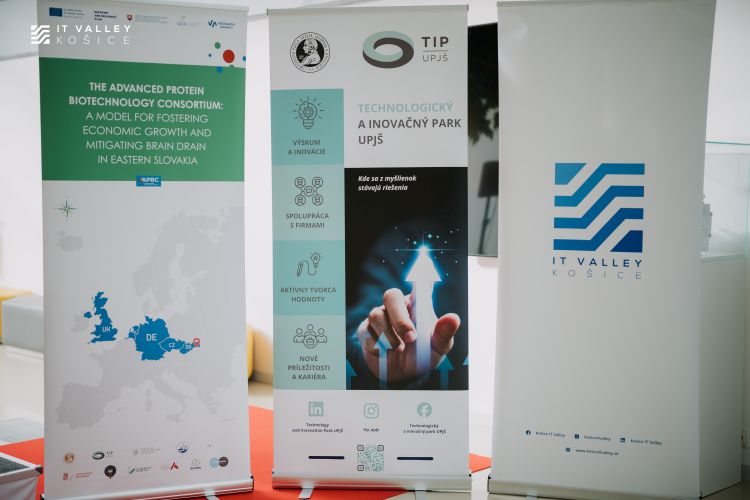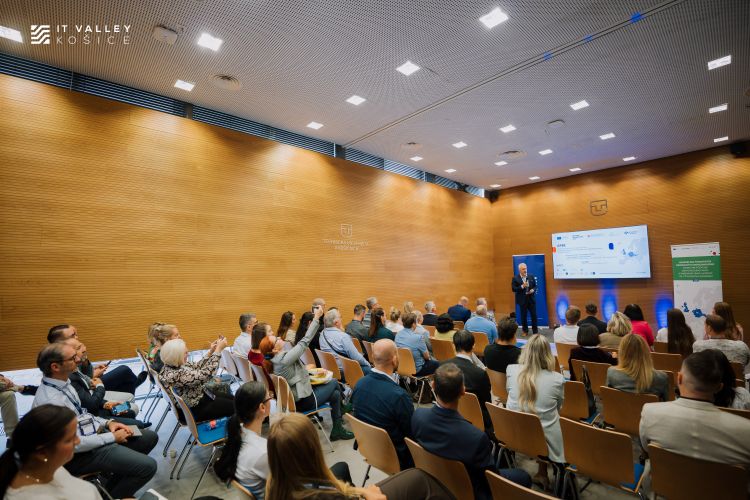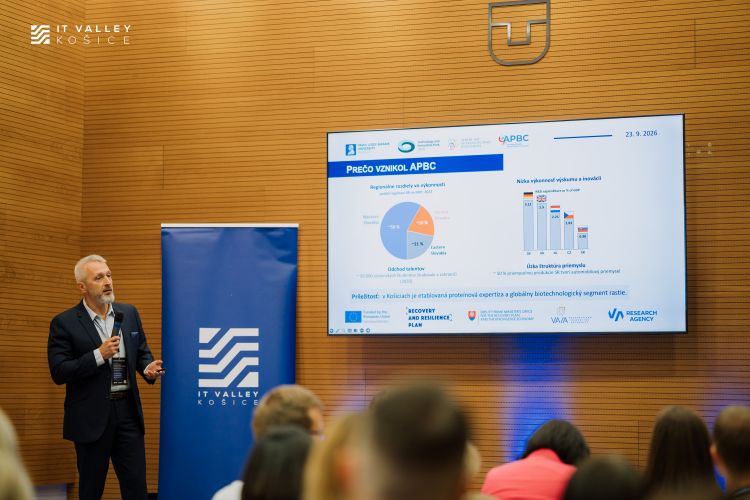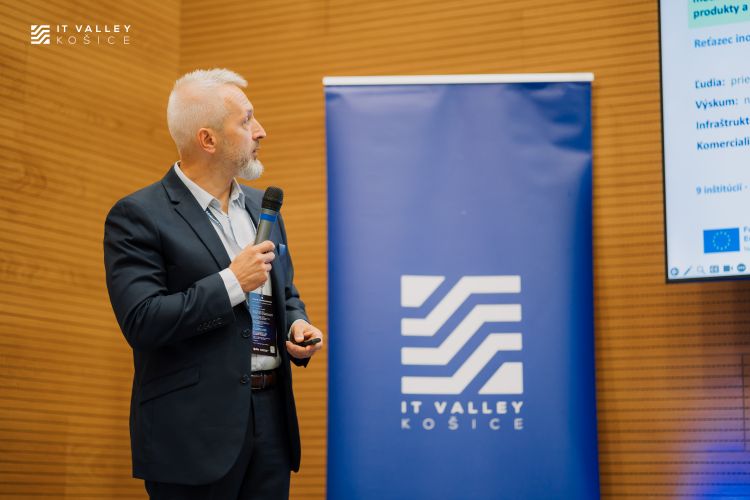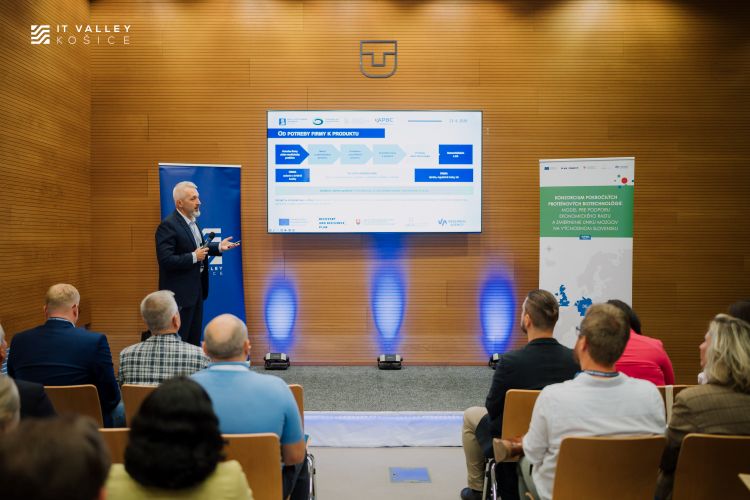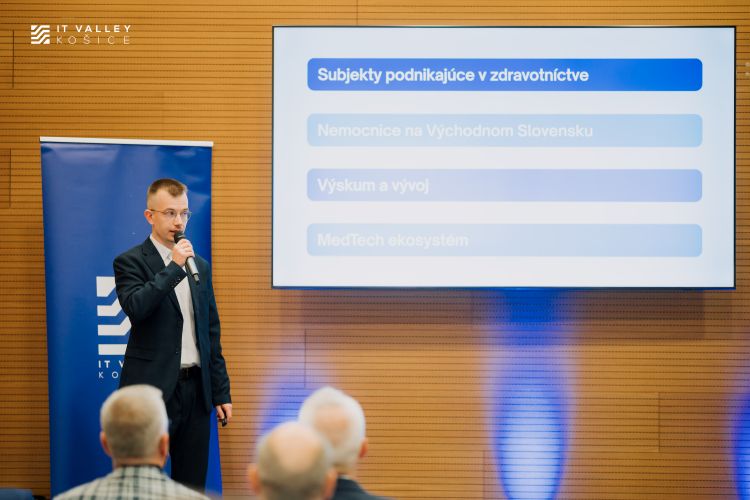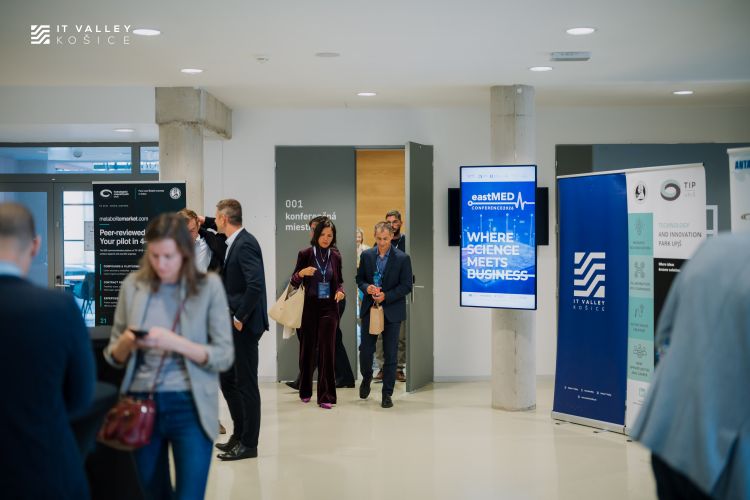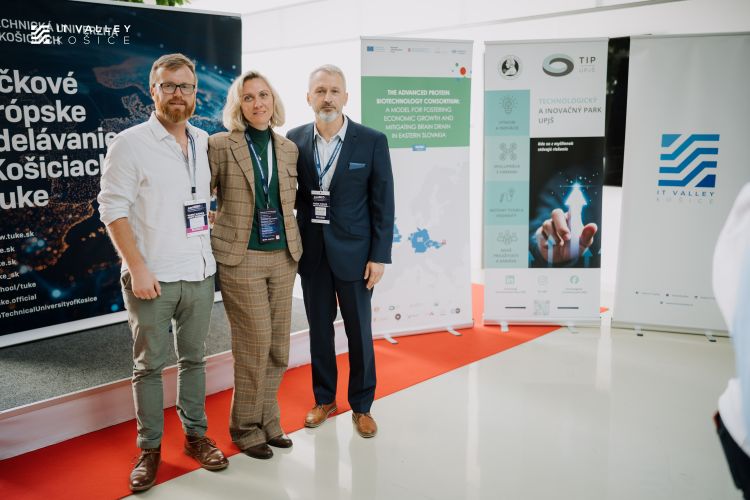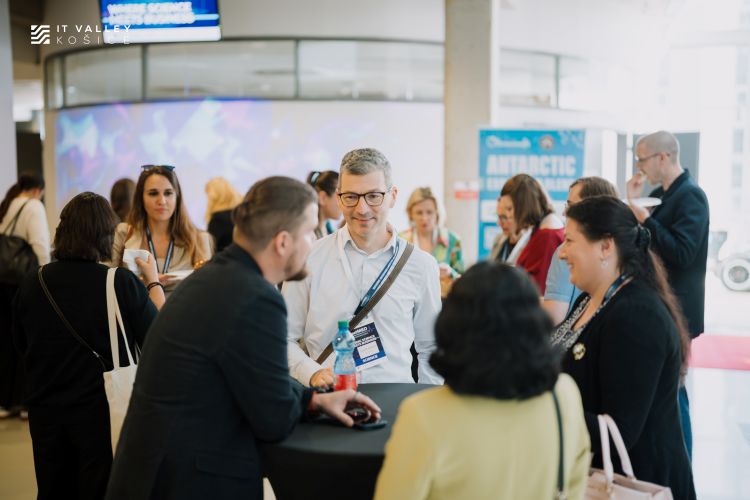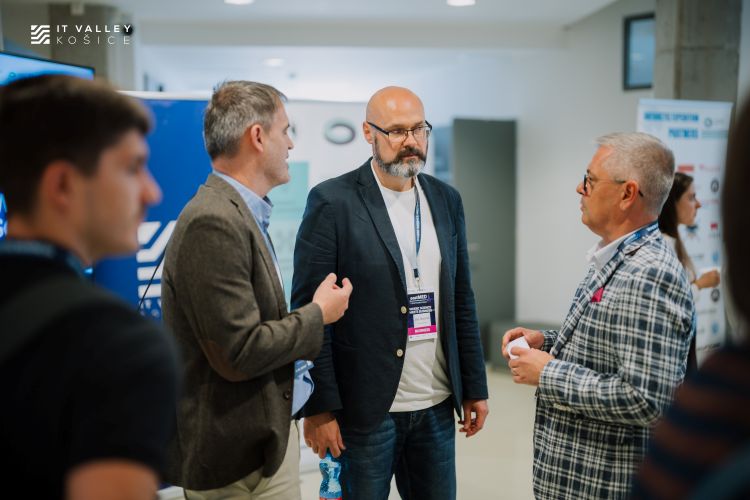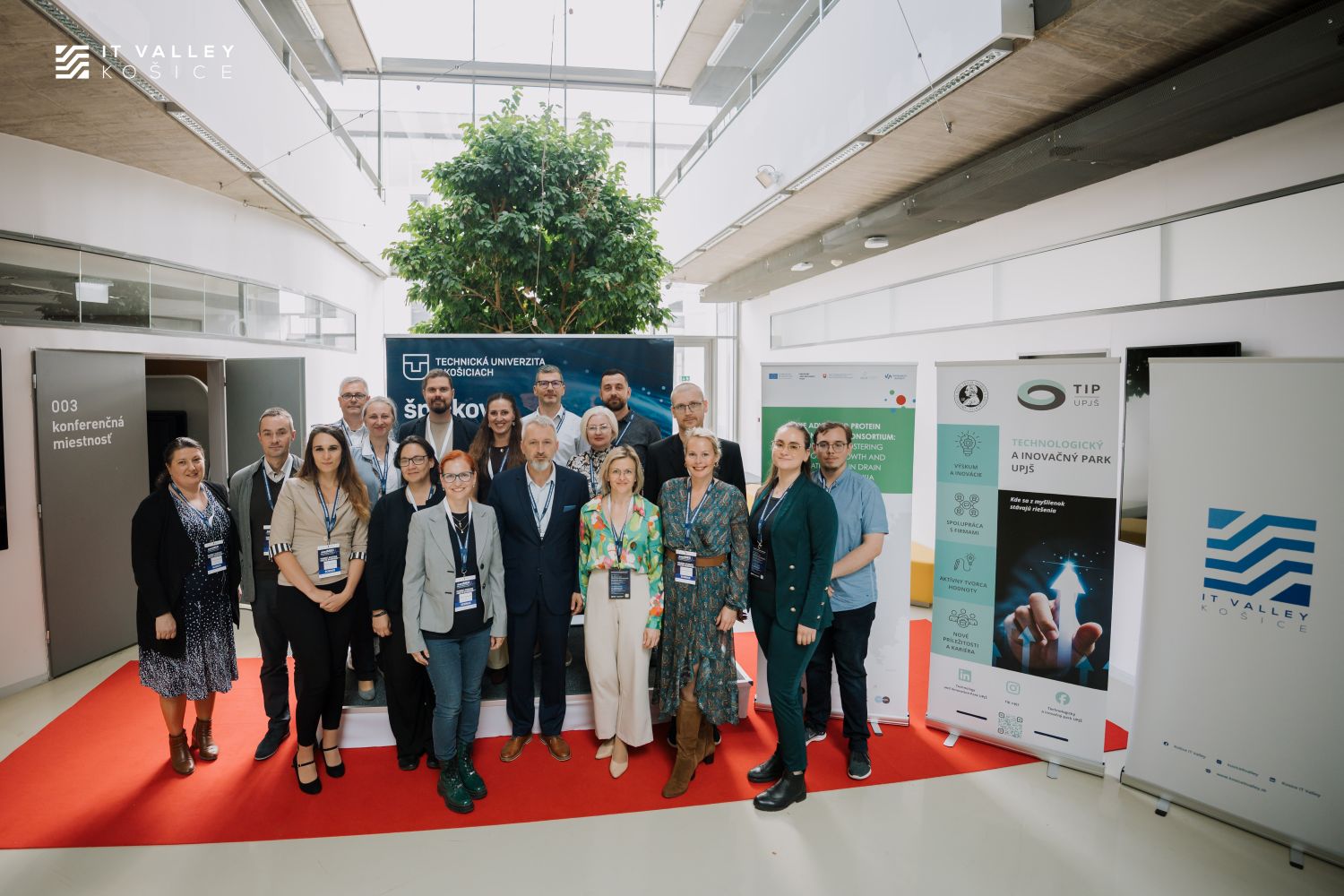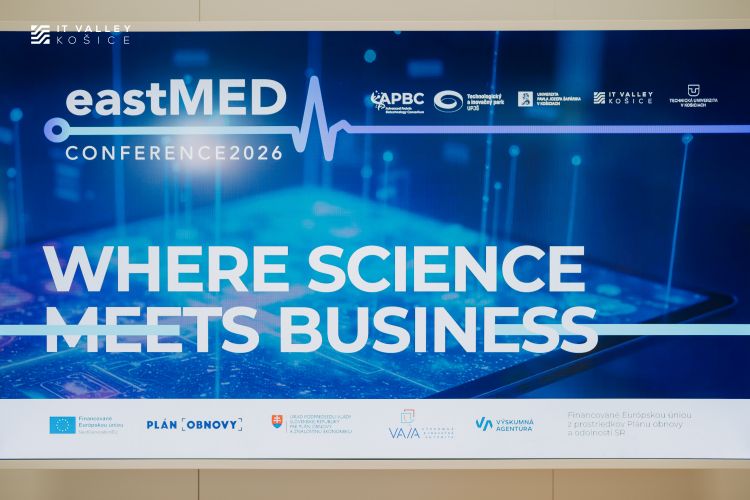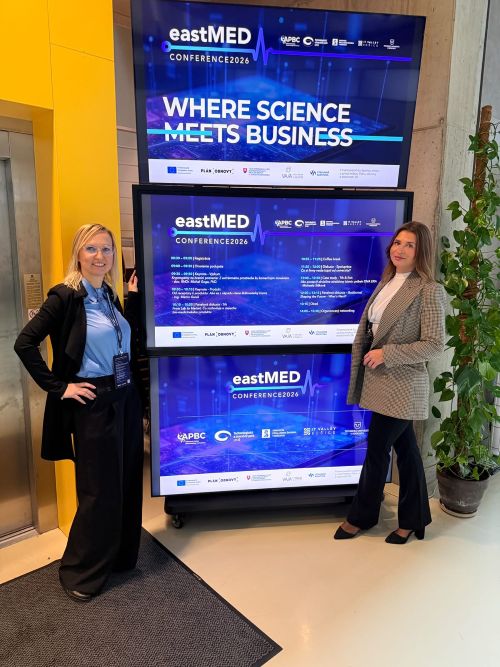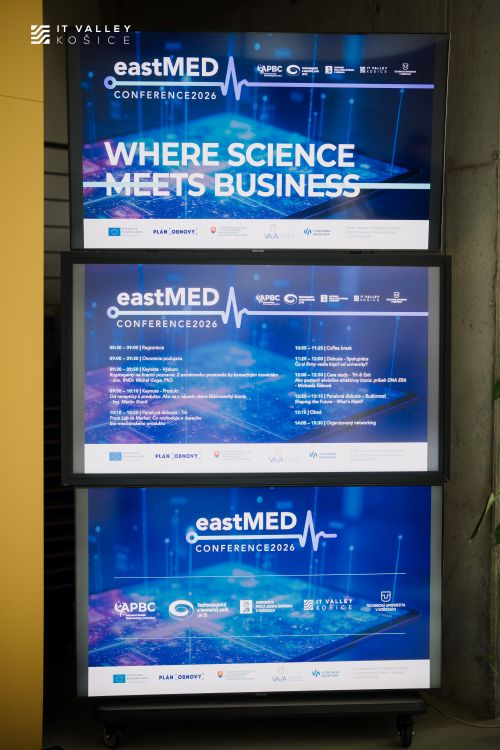



At the EASTMED 2026 – Where Science Meets Business conference, held on September 23 in Košice, experts from the fields of science, medicine, technology, and business discussed how companies can leverage the university’s research findings, expert capabilities, and laboratory infrastructure to address their own challenges. The event was one of the planned activities of the Advanced Protein Biotechnology Consortium (APBC) project, which aims to help translate research results from the laboratory into practical applications. It was organized by Košice IT Valley and the Technology and Innovation Park UPJŠ (TIP-UPJŠ).
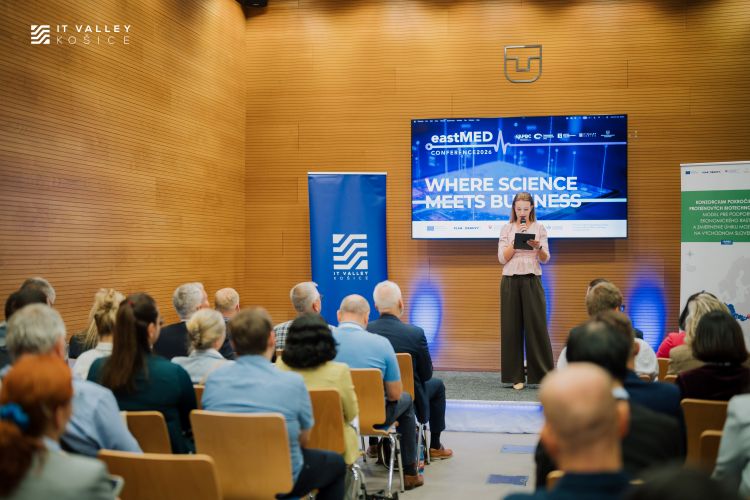
The conference was opened by Prof. RNDr. Erik Sedlák, DrSc., Head of the TIP-UPJŠ Centre for Interdisciplinary Biosciences and principal investigator of the APBC project. He emphasized the need to create conditions in Slovakia that foster the creation and growth of successful startups and other innovative companies based on research findings.
The Košice region boasts high-quality research, experts, and technological infrastructure. However, the challenge remains to ensure that companies are aware of these opportunities and can utilize them to meet their needs. This is precisely where TIP-UPJŠ can help. Companies do not need to have their own laboratories; instead, they can address specific technical or technological challenges in collaboration with university experts and make use of the available infrastructure. “We can offer companies contract research, joint grant projects, and licenses for technologies we already possess,” explains RNDr. Andrej Miroššay, PhD., Director of TIP-UPJŠ.
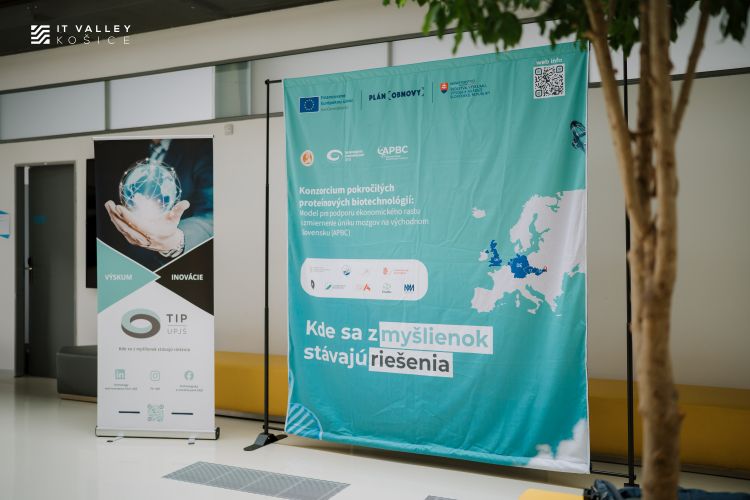
The development of such collaboration is also supported by the APBC project, coordinated by UPJŠ and running from March 2025 to August 2027. This international consortium, focused on protein biotechnology, brings together prominent European research institutions and two companies, creating conditions for the creation of new technologies and their practical application. The project fosters various forms of cooperation with companies—ranging from sample analysis and custom measurements to joint technology development, collaborative grants, licensing, and the creation of spin-offs.
UPJŠ already has concrete examples of pathways from research to application, currently at various stages of transferring scientific knowledge into practice. These include the spin-off SAFTRA BioMAI, pilot experiments involving the enzyme chitinase, and a fluorescent probe that has found regular laboratory use following successful independent testing. At the same time, TIP-UPJŠ is developing the B2B platform “Metabolite Market,” designed to further streamline cooperation between the university and companies.
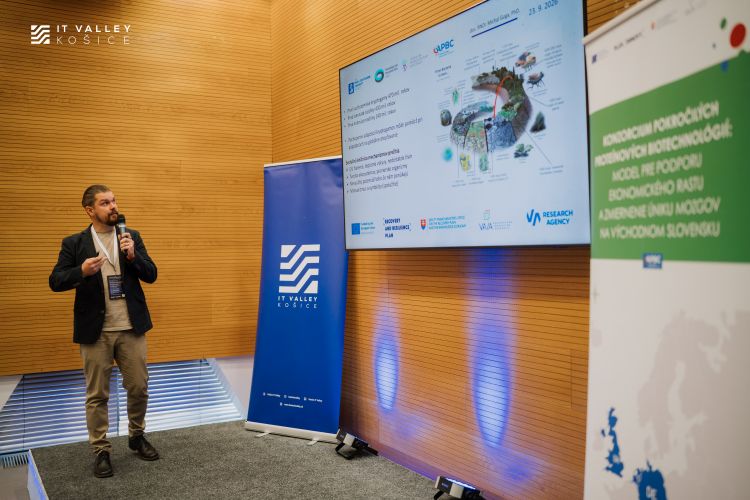
The conference also highlighted the commercial potential of basic research findings. One example is the research on mosses and lichens conducted by Assoc. Prof. RNDr. Michal Goga, PhD., from the UPJŠ Faculty of Science and CIB TIP-UPJŠ. Its results could find future applications in fields such as agriculture or pharmaceuticals.
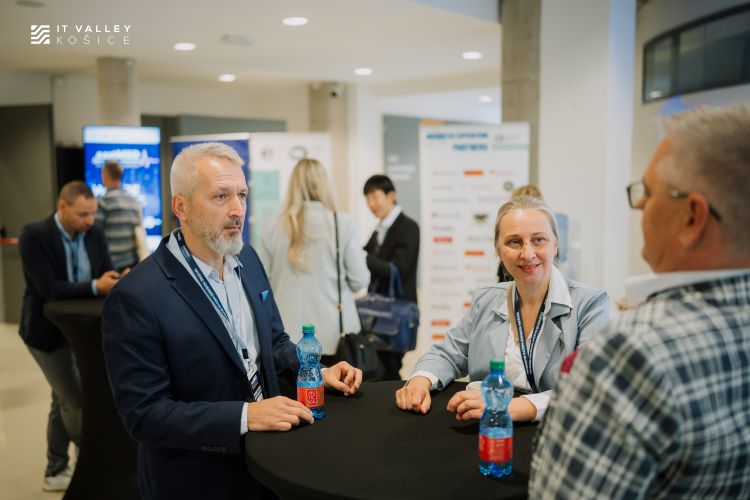
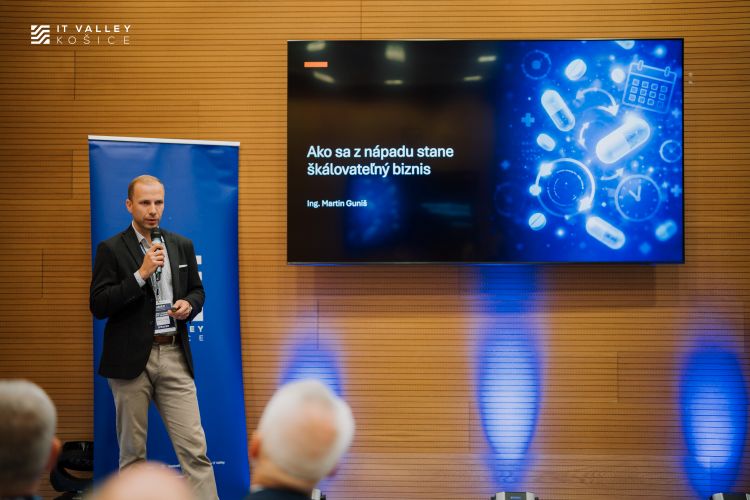
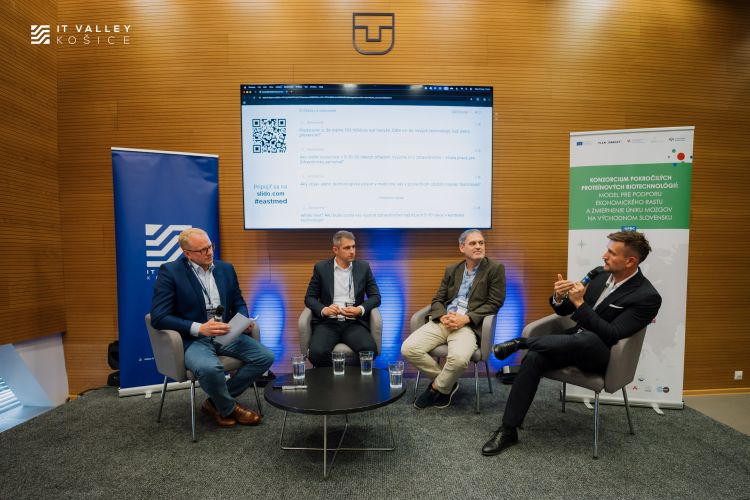
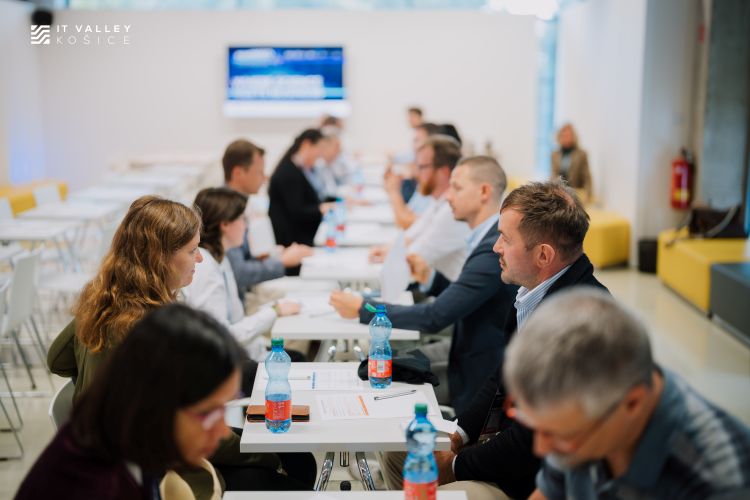
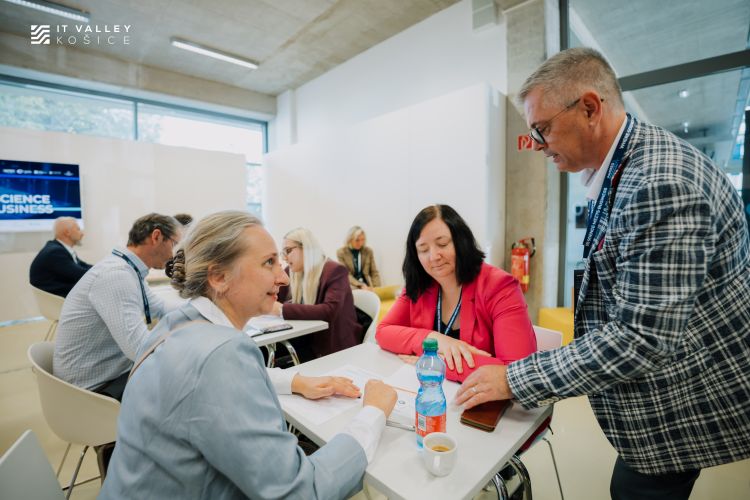
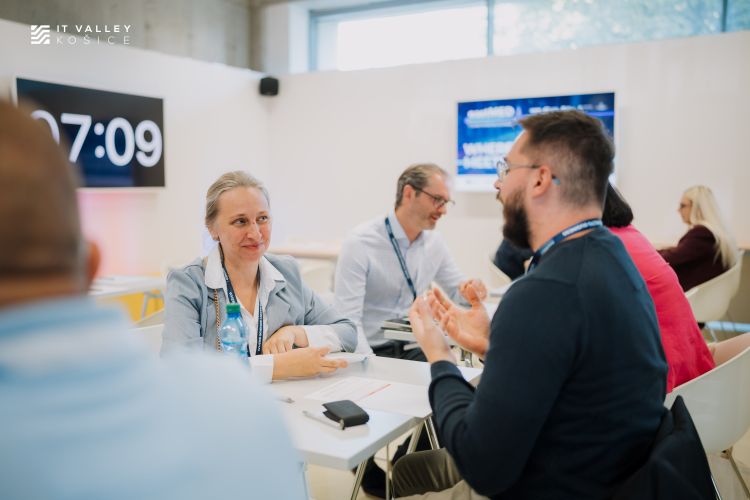
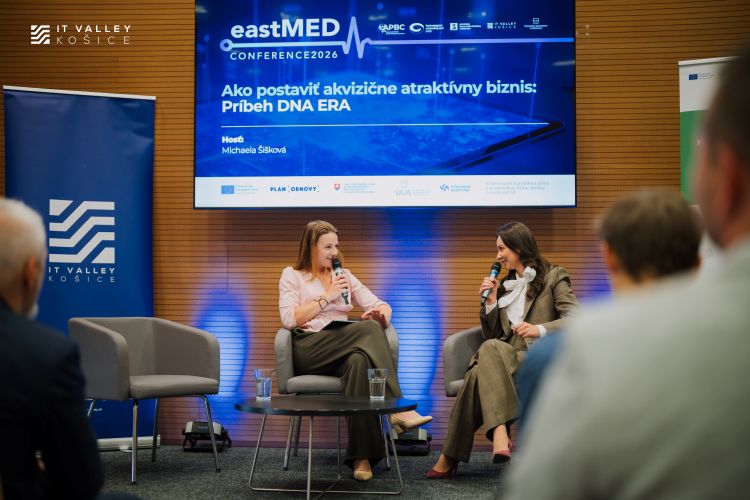
The program also featured panel discussions titled “From Lab to Market: What Determines the Success of a Biomedical Product” and “Shaping the Future – What’s Next?”. The event concluded with a structured networking session, allowing representatives from the corporate and academic sectors to meet purposefully, exchange insights on research, product development, and market application, and establish contacts for future collaboration.
The goal is to create an environment where the results of high-quality research can be systematically transferred from the laboratory to the technologies, companies, and people who will put them into practice.
The APBC project is funded by the European Union – NextGenerationEU through the Recovery and Resilience Plan of the Slovak Republic (project no. 09I02-03-V01-00021).
EASTMED 2026: UPJŠ Technology and Innovation Park Opens Research to Business via the APBC Project
On September 23, experts from the fields of science, medicine, technology, and business gathered at the “EASTMED 2026 – Where Science Meets Business” conference—held under the auspices of the Advanced Protein Biotechnology Consortium (APBC) project—to discuss how to bring research results out of the laboratory and closer to companies and practical application.
The conference was opened by Prof. RNDr. Erik Sedlák, DrSc., Head of CIB TIP-UPJŠ and the principal investigator and main coordinator of the APBC project. Prof. Sedlák emphasized the need to translate scientific knowledge into startups and to create conditions in Slovakia that foster the emergence of successful research-based companies.
The Košice region boasts high-quality research, expertise, and technological infrastructure. However, the challenge remains to connect these assets more effectively with the business sector. This is precisely where Technology and Innovation Park UPJŠ (TIP-UPJŠ) can play a vital role.
Companies do not necessarily need to maintain their own laboratories; they can address specific technical or technological challenges in collaboration with university experts while utilizing existing infrastructure. “We can offer companies contract research, joint grant projects, and licenses for technologies we have already developed,” explains RNDr. Andrej Miroššay, PhD., Director of TIP-UPJŠ.
Initial results of this technology transfer are already evident at UPJŠ. These include the spin-off SAFTRA BioMAI, pilot experiments involving the enzyme chitinase, and a fluorescent probe that—following successful independent testing—has found regular application in the laboratory. At the same time, TIP-UPJŠ is developing the “Metabolite Market” B2B platform, designed to further streamline collaboration between the university and the corporate sector.
The APBC project, running from March 2025 to August 2027, also works to bridge research, infrastructure, and the business environment. It offers companies a range of opportunities, from sample analysis and custom measurements to joint technology development, collaborative grants, licensing, and the creation of spin-offs.
The conference also demonstrated that the results of basic research can hold commercial potential. One example is research into mosses and lichens—involving Assoc. Prof. Michal Goga, PhD (Faculty of Science, UPJŠ and CIB TIP-UPJŠ)—which could lead to future applications in fields such as agriculture or pharmaceuticals.
The goal is to create an environment where high-quality research can systematically move from the laboratory to the technologies, companies, and people who can put it to practical use.
The APBC project is funded by the European Union – NextGenerationEU through the Recovery and Resilience Plan of the Slovak Republic (project no. 09I02-03-V01-00021).