


How do we get from DNA to a functional protein and how can the properties of proteins be purposefully changed or new molecules designed? Students sought answers to these questions during two Summer Schools of Protein Engineering, which were held as part of the APBC program at the workplace of the Center for Interdisciplinary Biosciences TIP UPJŠ in Košice.
While bachelor students were introduced to the basic methods of molecular biology and protein engineering in the second year of the summer school From DNA to Protein, a follow-up summer school Development and Design of New Molecules was prepared for the first time this year for master’s students. It allowed them to penetrate more advanced methods and try out the procedures used in the development and optimization of proteins.
From DNA to Protein: First Steps in Protein Engineering
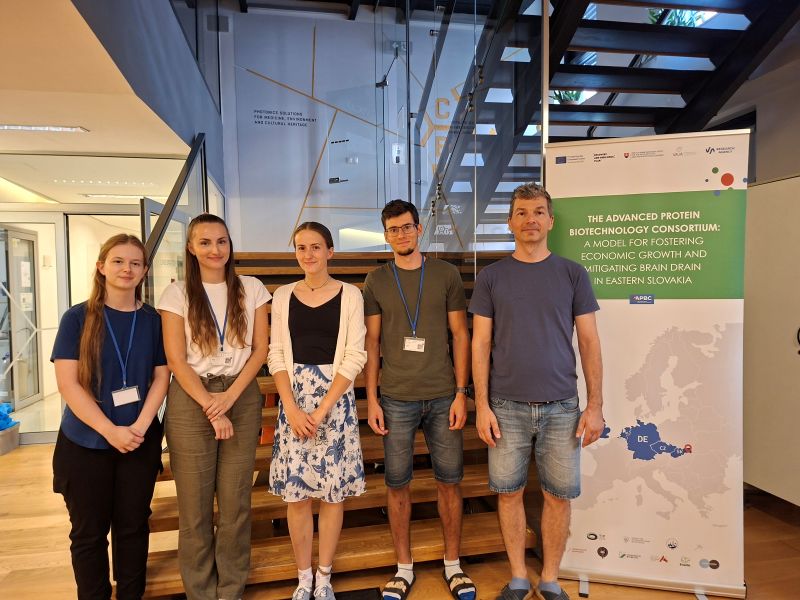
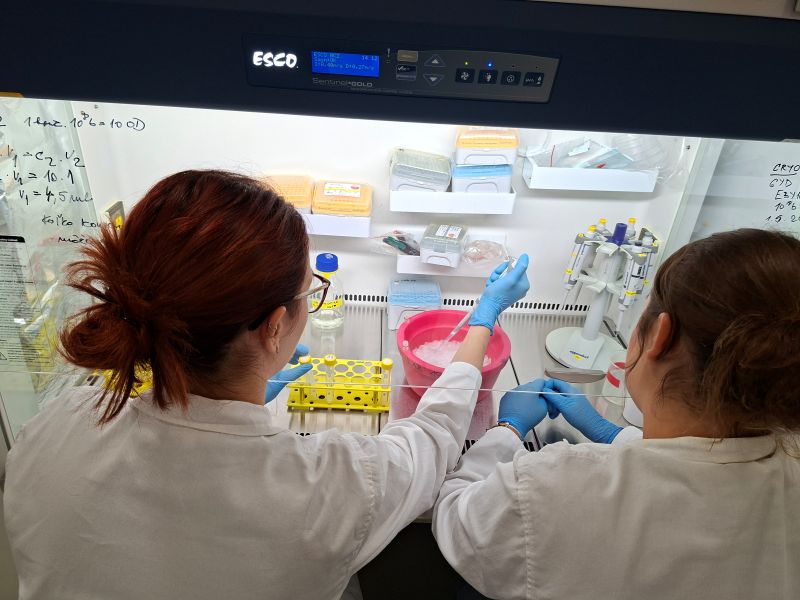
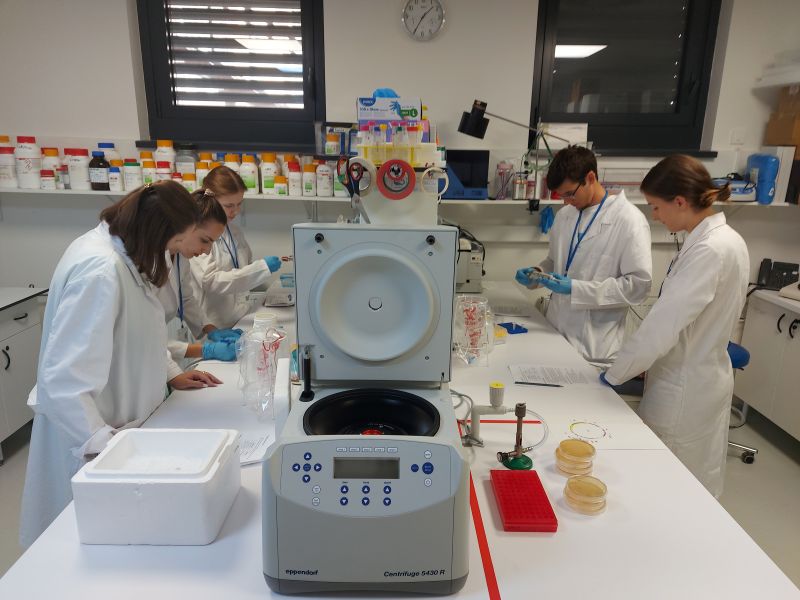
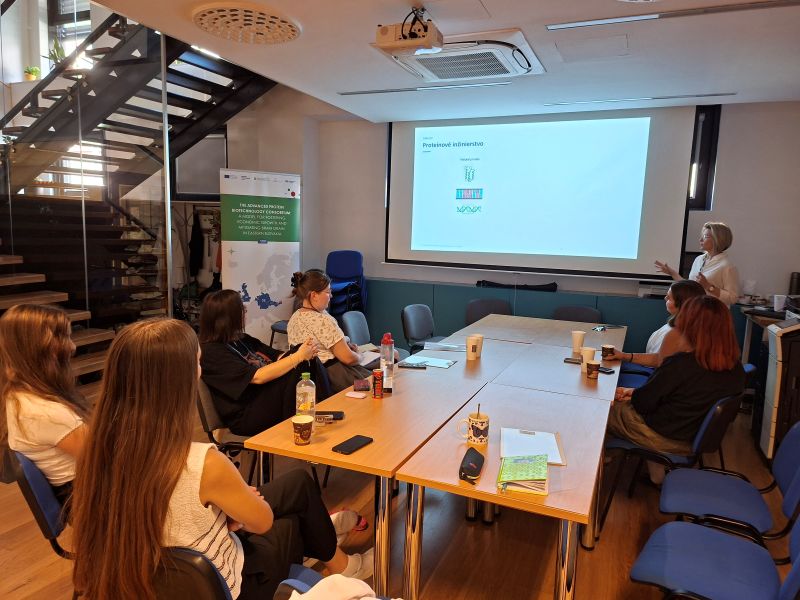
Ten bachelor students participated in the second year of the Summer School of Protein Engineering – From DNA to Protein. During one week, they were able to try out what it’s like to work in a protein engineering laboratory and connect their study knowledge with their own experimental work.
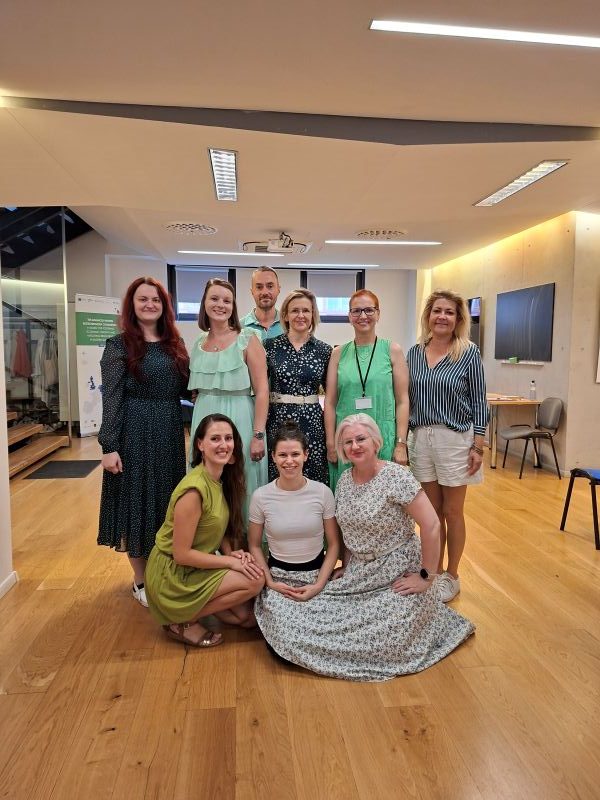
The professional program and practical exercises were supervised by Mgr. Ľuboš Ambro, PhD. and RNDr. Michal Nemergut, PhD., who were assisted in the laboratory by RNDr. Alexandra Poliakova and RNDr. Ivana Timková, PhD.
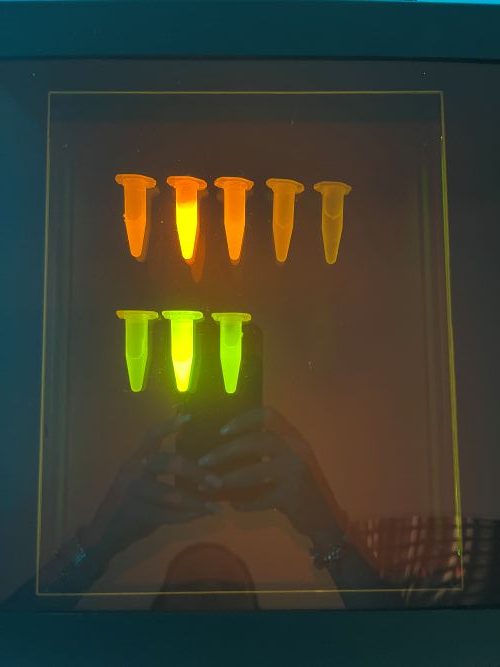
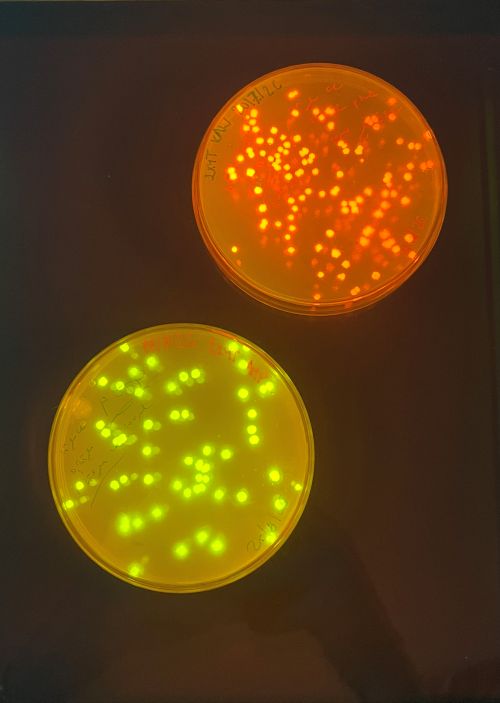
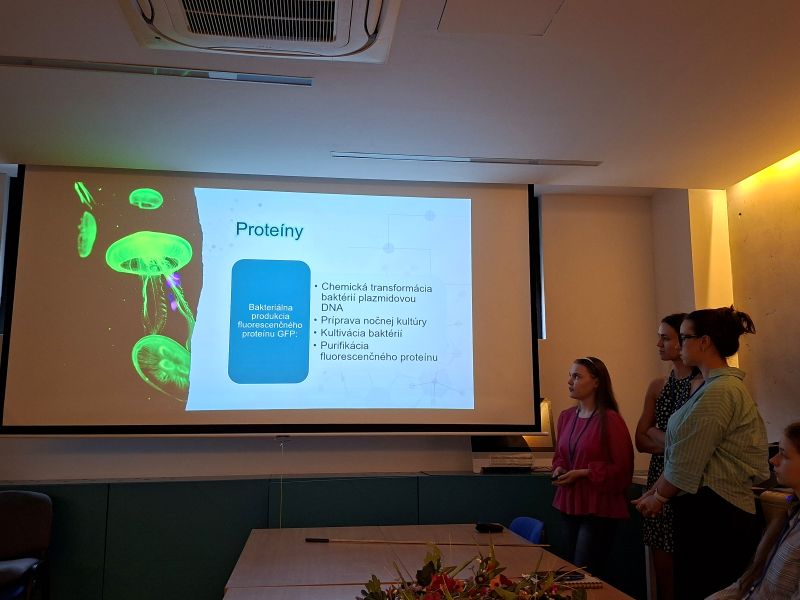
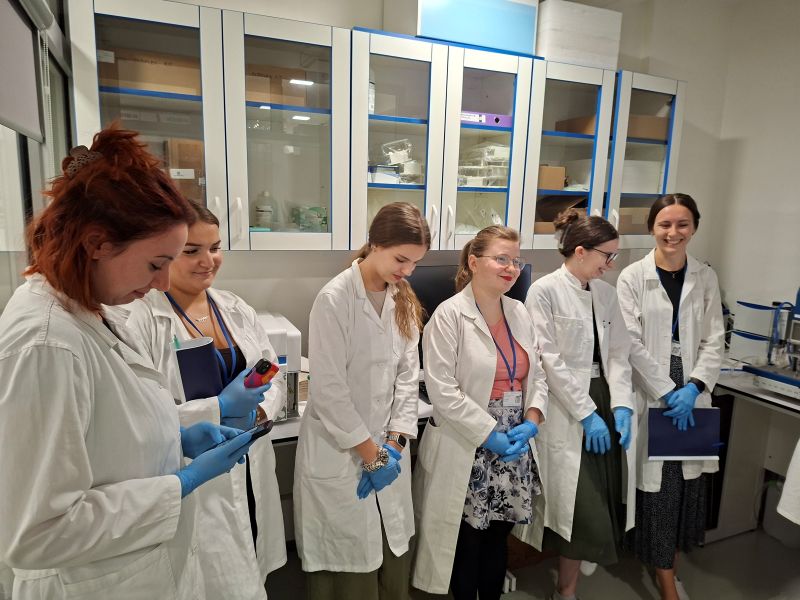
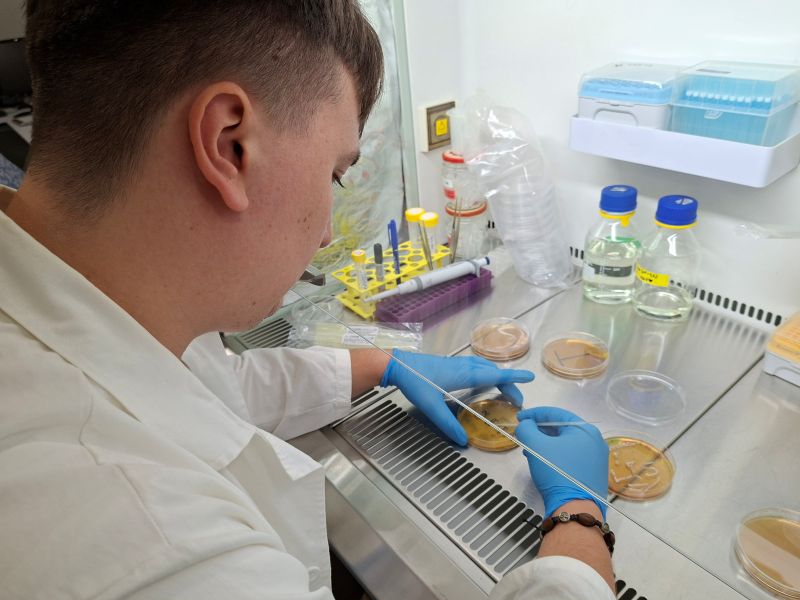
The students gradually went through the basic methods of molecular biology – from preparing a PCR reaction to applying and checking samples using agarose gel electrophoresis to cloning. The program also included the purification of fluorescent proteins, green GFP and red RubyRed. Individual experiments allowed the students to follow the path from working with DNA to obtaining the resulting protein.
Development and design of new molecules: from basics to directed evolution
A novelty this year was the follow-up Summer School of Protein Engineering – Development and design of new molecules, intended for master’s students. Its goal was to expand their knowledge and introduce them to more advanced approaches used in contemporary protein engineering.
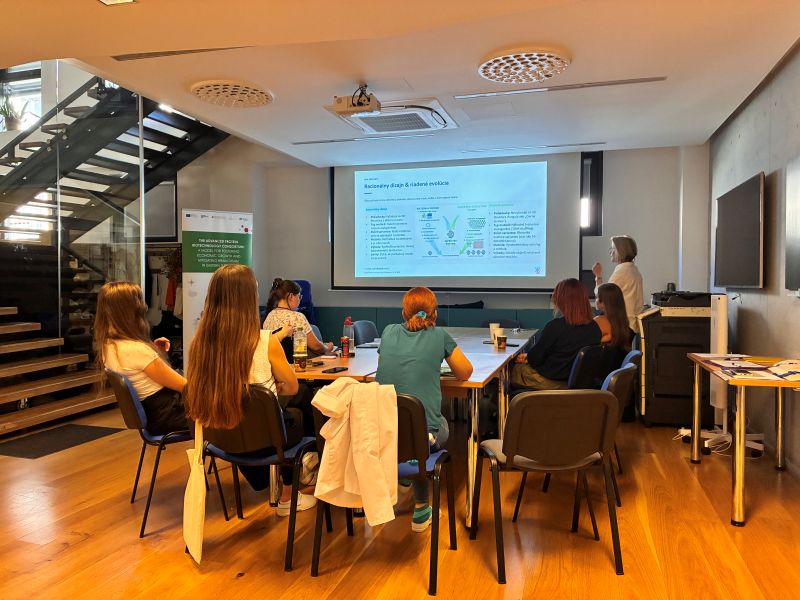
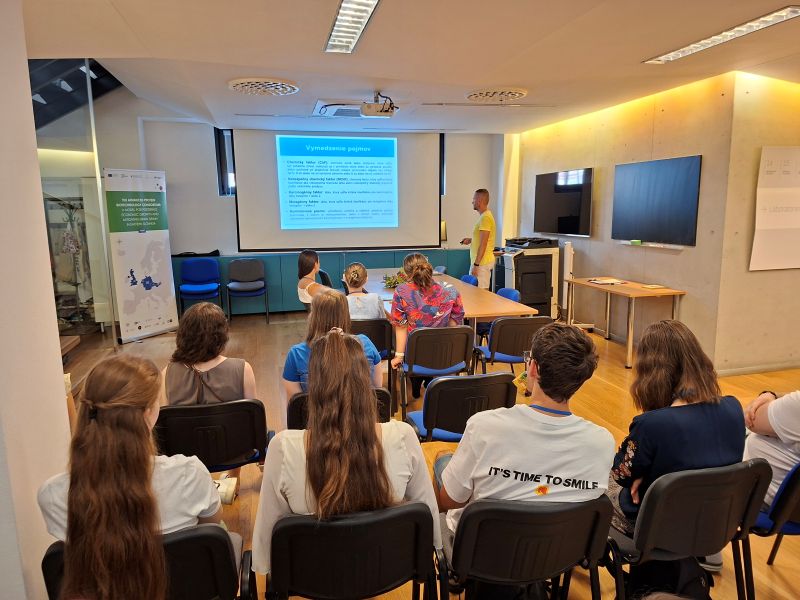
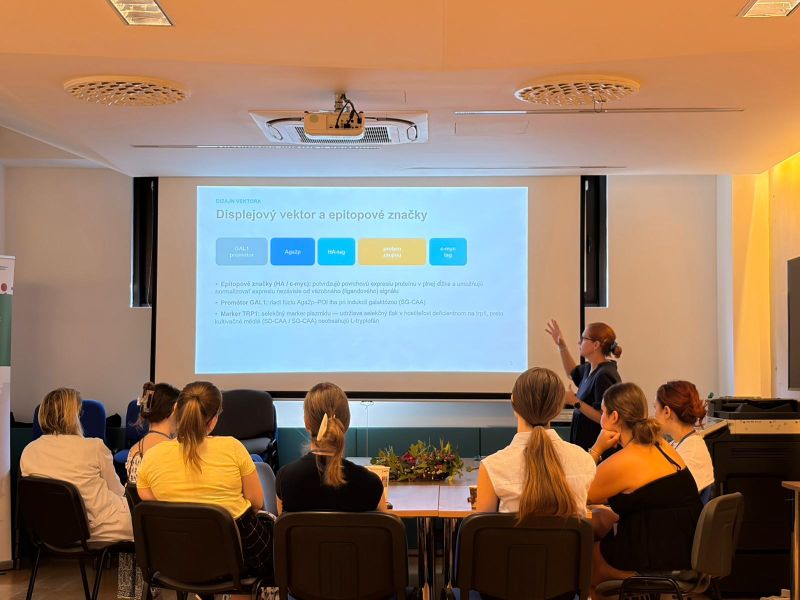
The main topics were directed evolution and the yeast display method. In the theoretical part, Mgr. Mária Tomková, PhD. presented the principles of directed evolution, RNDr. Mária Repovská, PhD. presented the technical aspects of yeast display, and RNDr. Martin Menkyna discussed the principles of rational protein design.
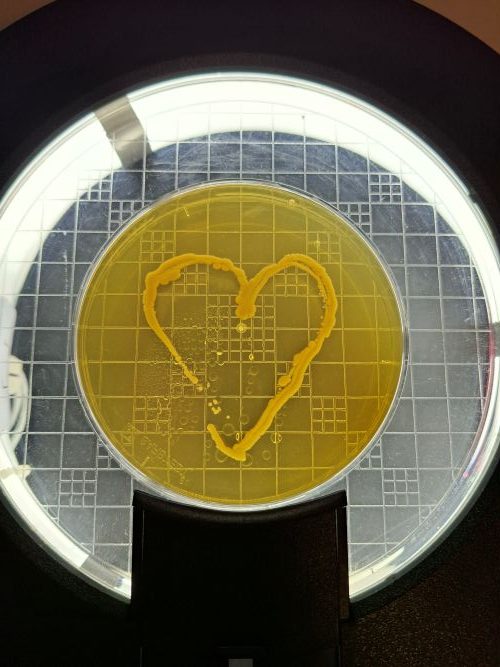
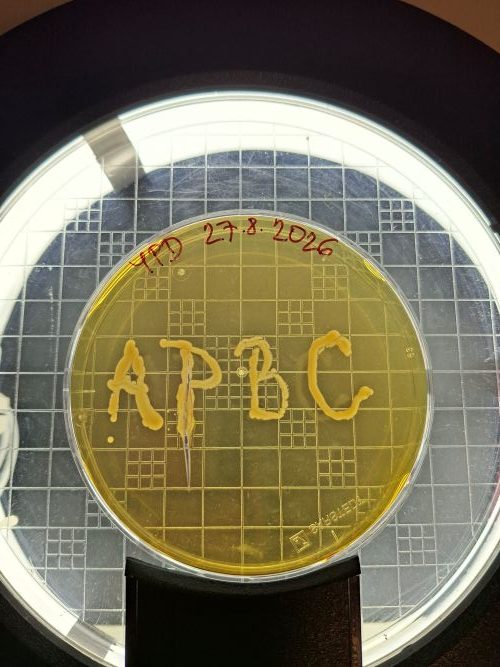
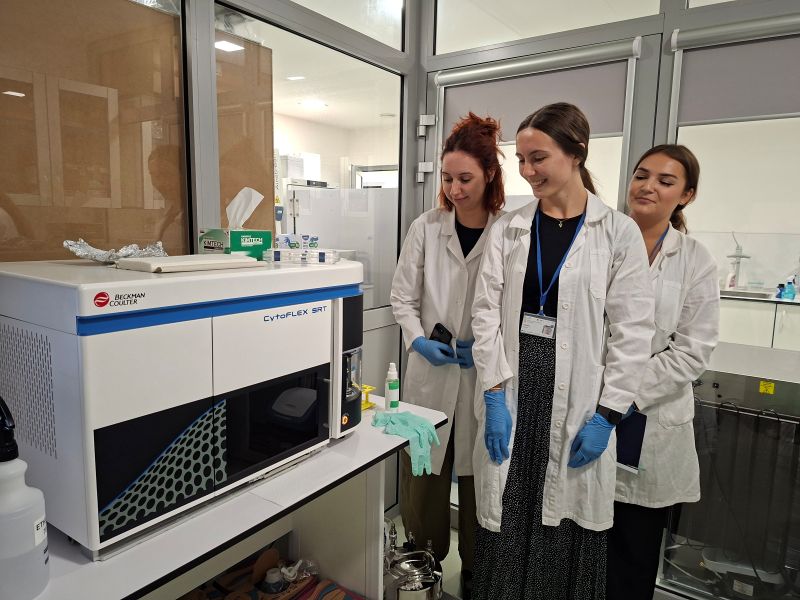
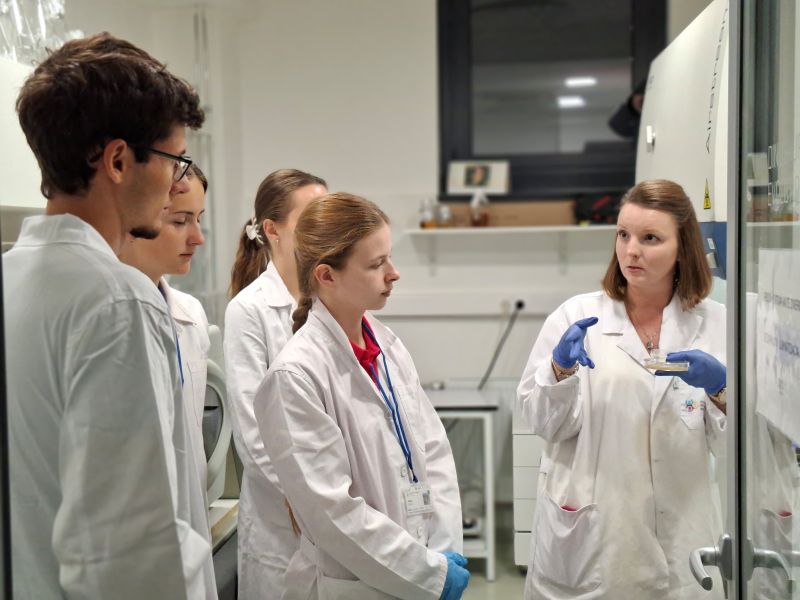
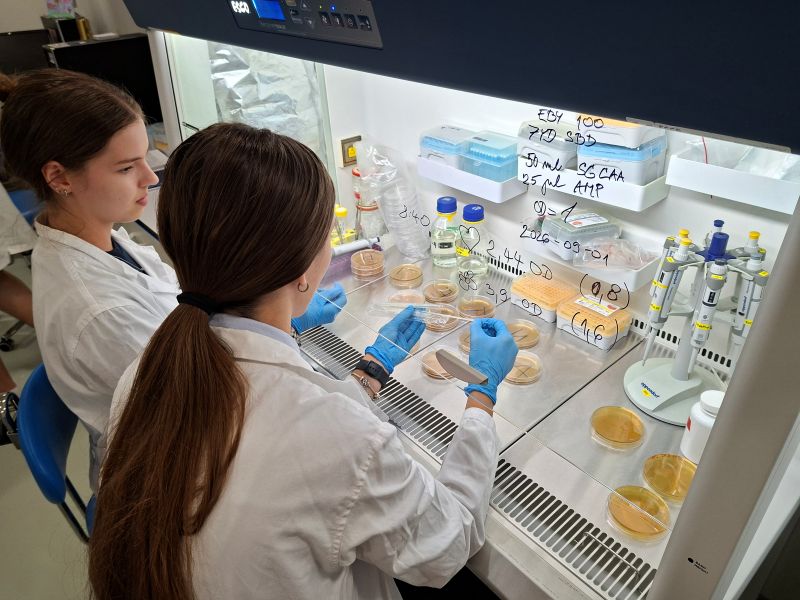
The theory then continued directly in the laboratory. Under the leadership of Mária Tomková and Mária Repovská and with the help of doctoral student RNDr. Kristína Felčíková, the students tried out the preparation of culture media, establishment and re-inoculation of yeast cultures. Using a fluorescence-activated cell sorter (FACS), they then selected yeast cells that carried the proteins of interest on their surface. In their own experiments, they were able to verify the principles they had previously learned in the theoretical part of the program.
Lectures, experiments, and presentation of results
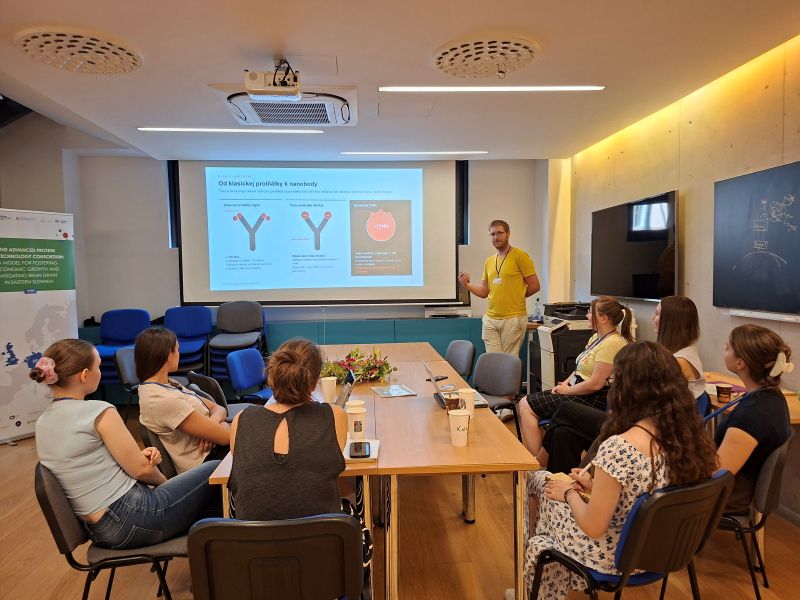
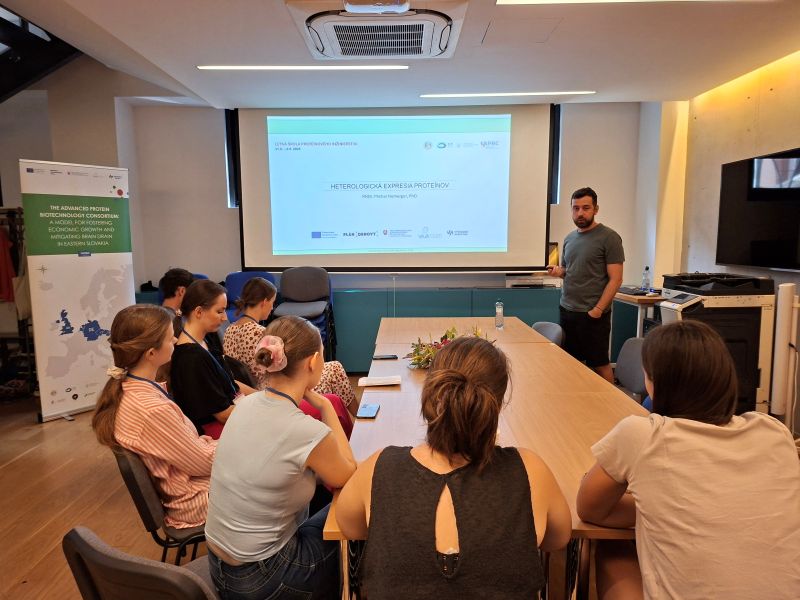
The first two days of both summer schools were supplemented by a joint professional workshop. During it, students listened to lectures by experts from practice and gained a broader perspective on the practical use of knowledge from the fields of biomedicine and proteomics.
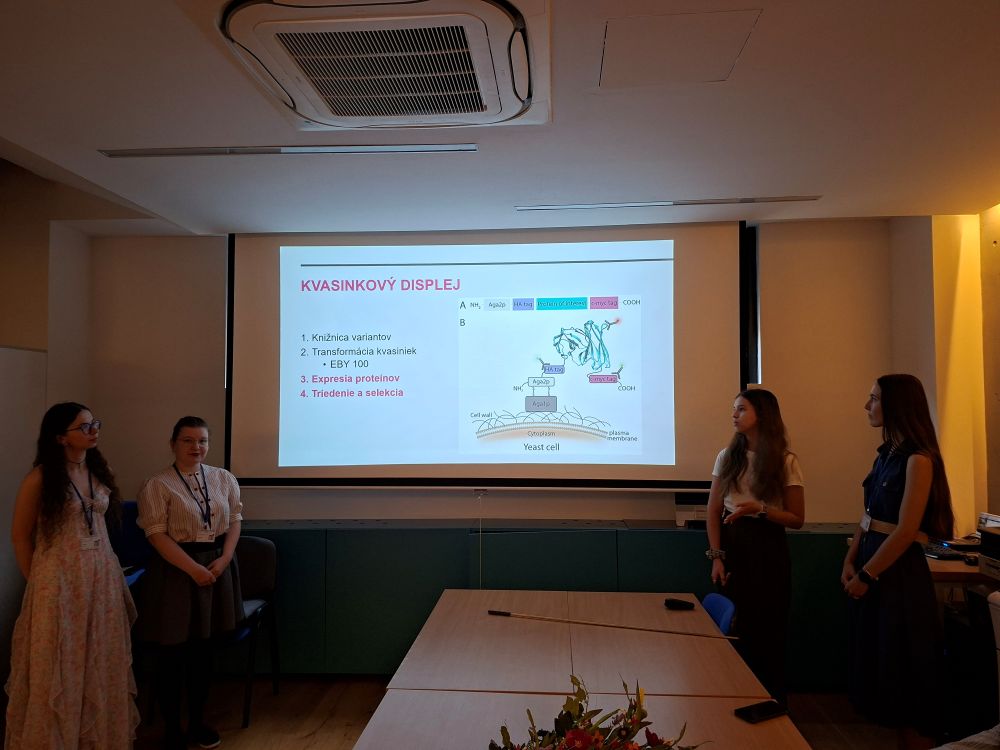
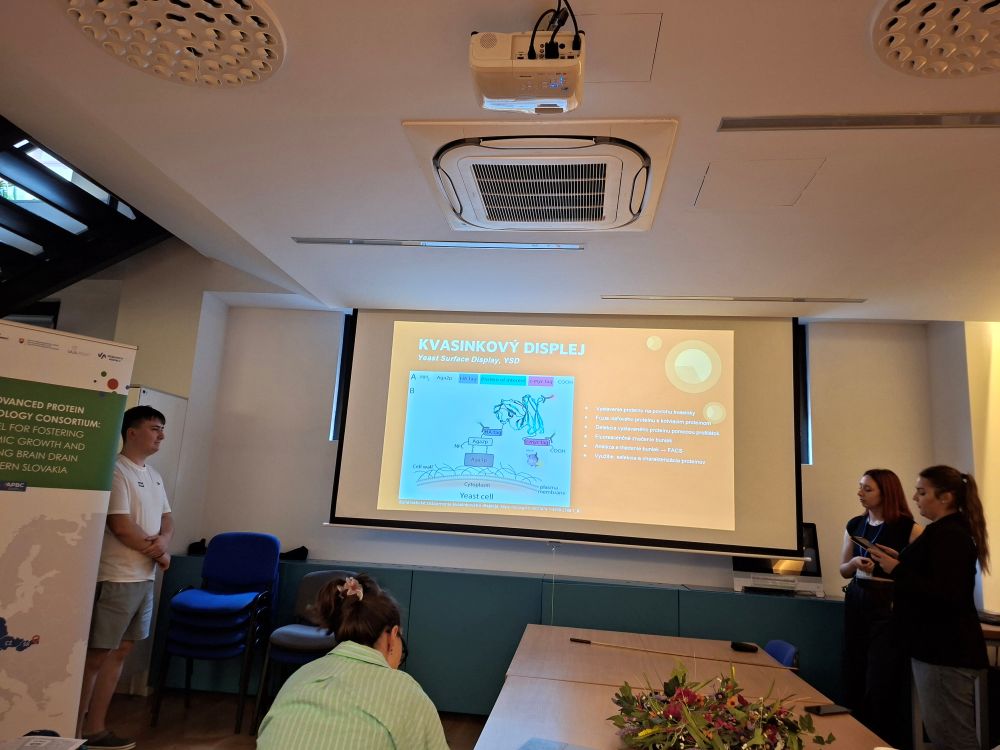
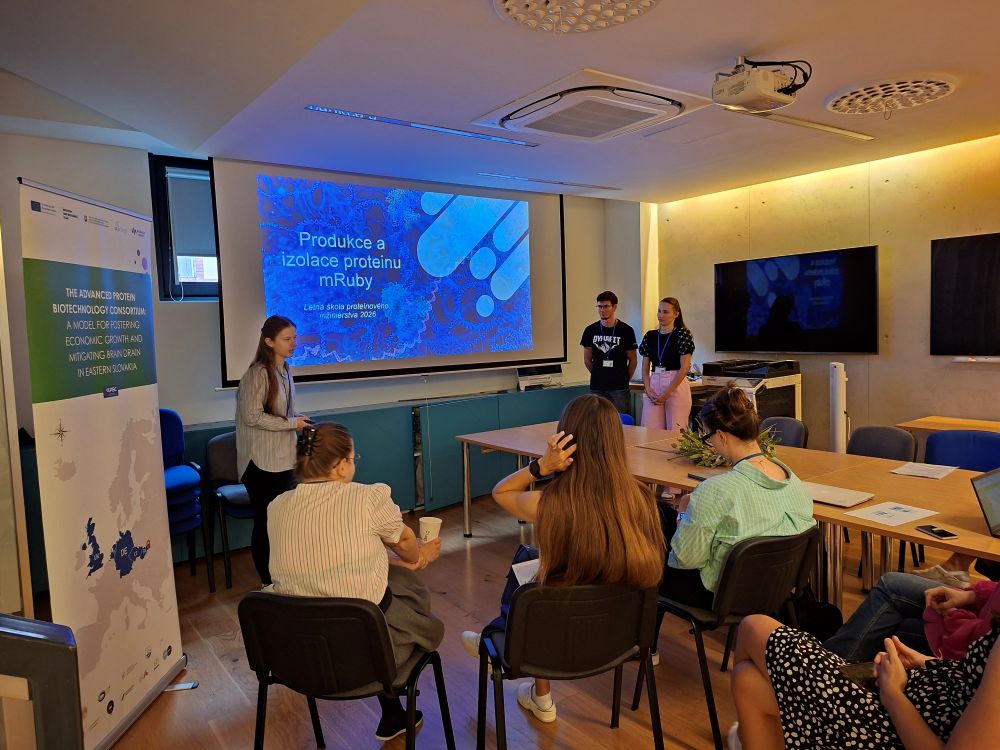
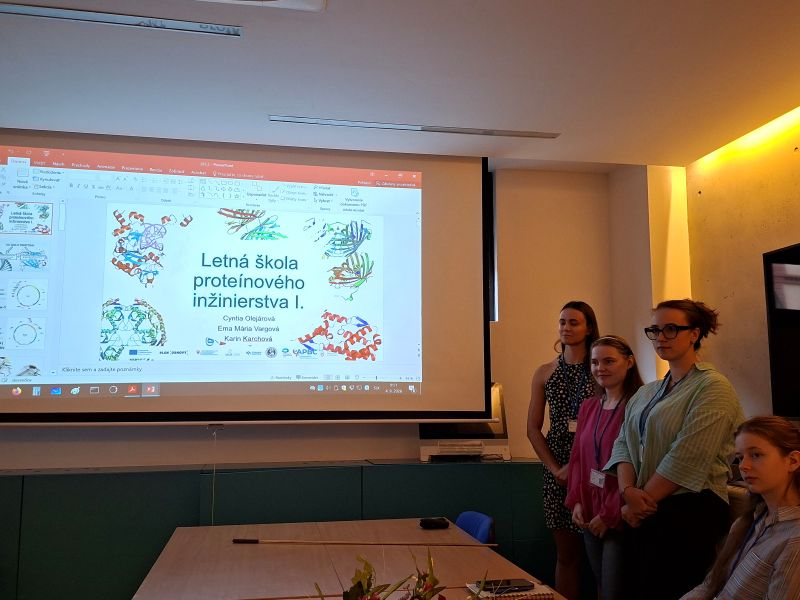
The intensive week culminated on Friday with final presentations. Students involved in the Development and Design of New Molecules program presented the progress of their work in groups, the experimental procedures used, and the results they achieved during the summer school.
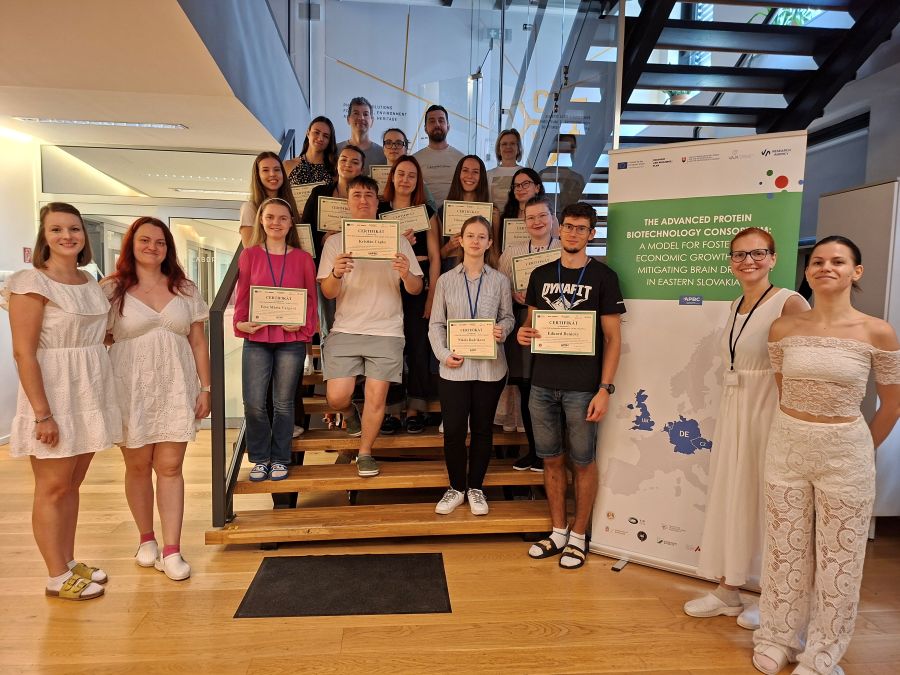
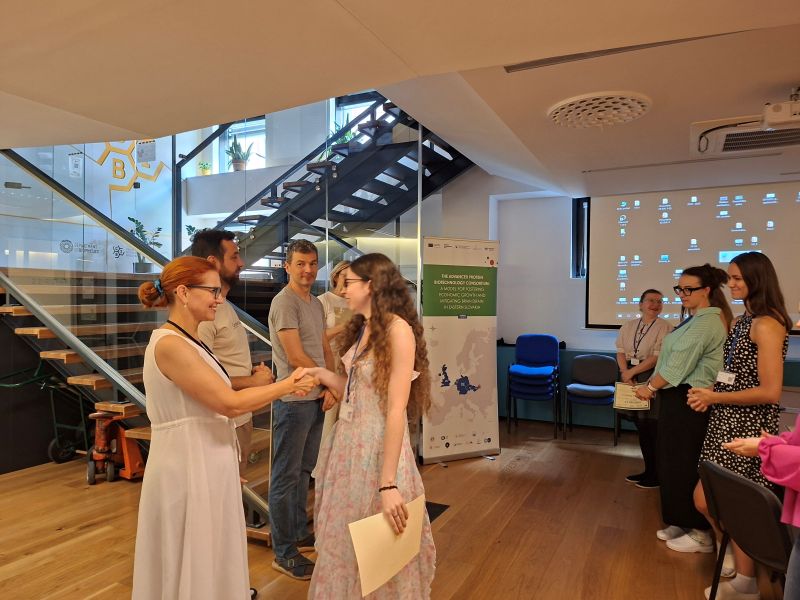
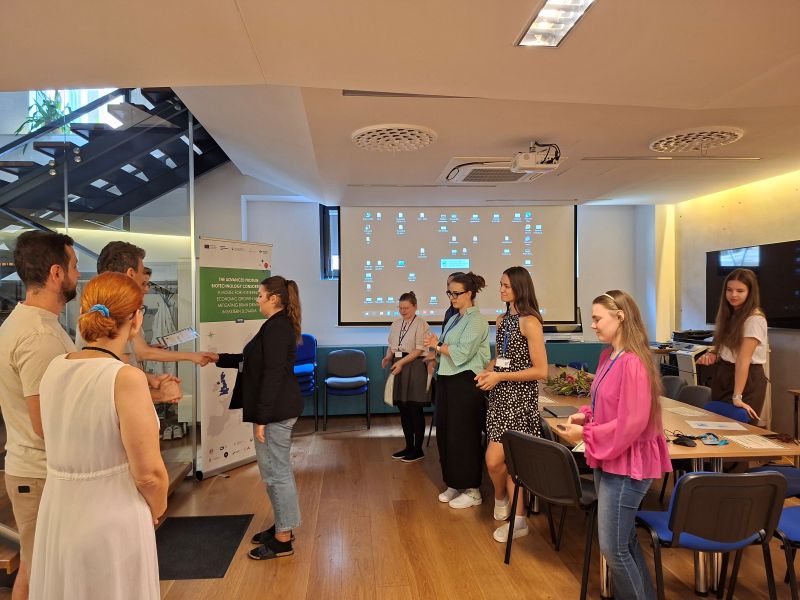
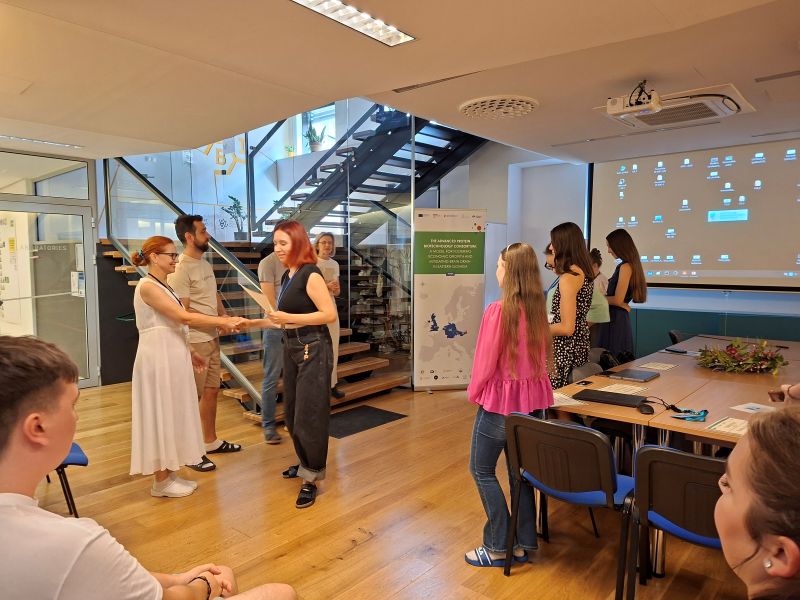
Both summer schools were united by a common idea – to enable students to go beyond the boundaries of theoretical study and experience scientific work directly in the laboratory. From basic DNA work and protein purification to directed evolution and cell selection using FACS, participants were able to try out methods that are part of modern protein engineering. At the end, all participants received certificates of completion. In addition to these, they mainly took away new knowledge, practical laboratory experience and a more concrete idea of what scientific work and the development of new molecules can look like in practice.