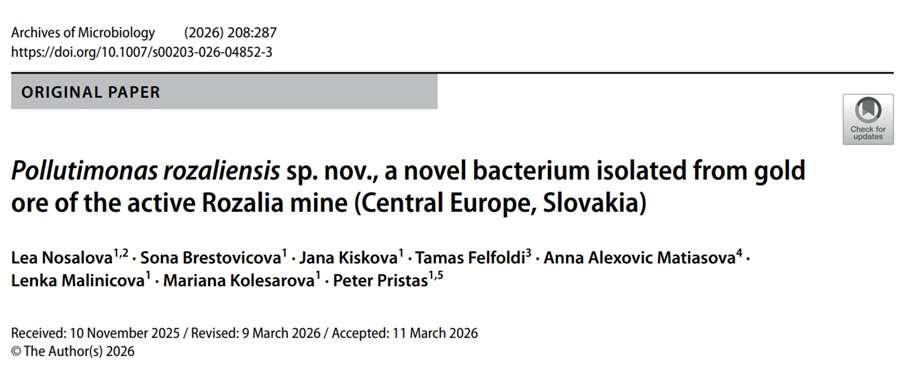



Scientists from the Department of Microbiology at the Faculty of Science, P.J. Šafárik University in Košice, have discovered two new species of bacteria. Pollutimonas rozaliensis originates from the Rozália gold mine in the village of Hodruša-Hámre and is resistant to heavy metals. Idiomarina solivarensis was discovered in the extremely salty environment of Solivar in Prešov. These microorganisms provide insight into the evolution of bacteria in isolated environments. Their discoveries have potential for biotechnological and environmental applications.
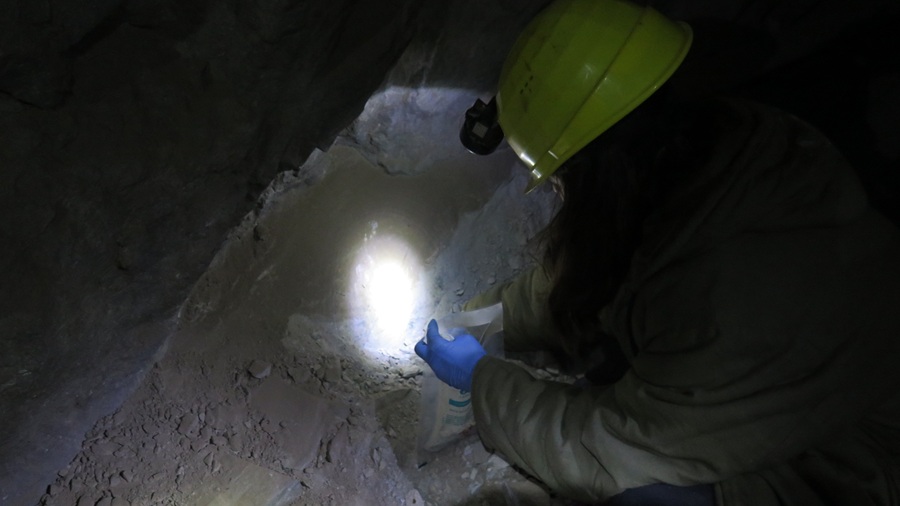
There are millions of bacterial species in the world, but to date, only a single bacterial species has been validly described from Slovakia. In recent years, scientists from the Department of Microbiology have discovered several entirely new bacterial species. This time, however, they have succeeded in isolating and validly describing a completely new and previously unknown bacterial species directly from Slovakia.
The description of the newly discovered bacterial species, Pollutimonas rozaliensis, was recently published in the scientific journal Archives of Microbiology, published by Springer. Within Slovakia, this is an achievement that no one has managed to accomplish before.
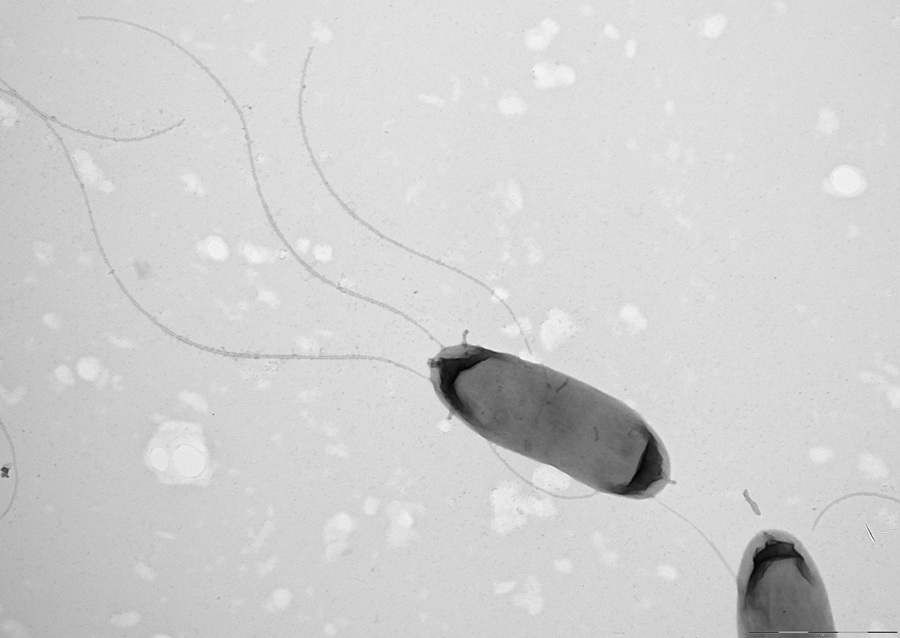
The newly discovered bacterium has potentially interesting properties for further research, for example in the fields of biotechnology or environmental applications, as it originates from an environment with high levels of heavy metals. They also described the species Idiomarina solivarensis from the brine of the Prešov Solivar. These microorganisms evolved in a highly isolated environment at Solivar and represent a unique model for studying evolution. They offer a glimpse into the bacterial world of 12 million years ago. Because they lived in an environment with high salt concentrations and a lack of nutrients, they specialized exclusively in utilizing proteins that break down other proteins.
The research in question, conducted as part of the project, was carried out by Assoc. Prof. RNDr. Peter Pristaš, CSc., a university professor, and RNDr. Lea Nosáľová, PhD., who is currently a postdoctoral researcher at the Sorbonne in Paris.