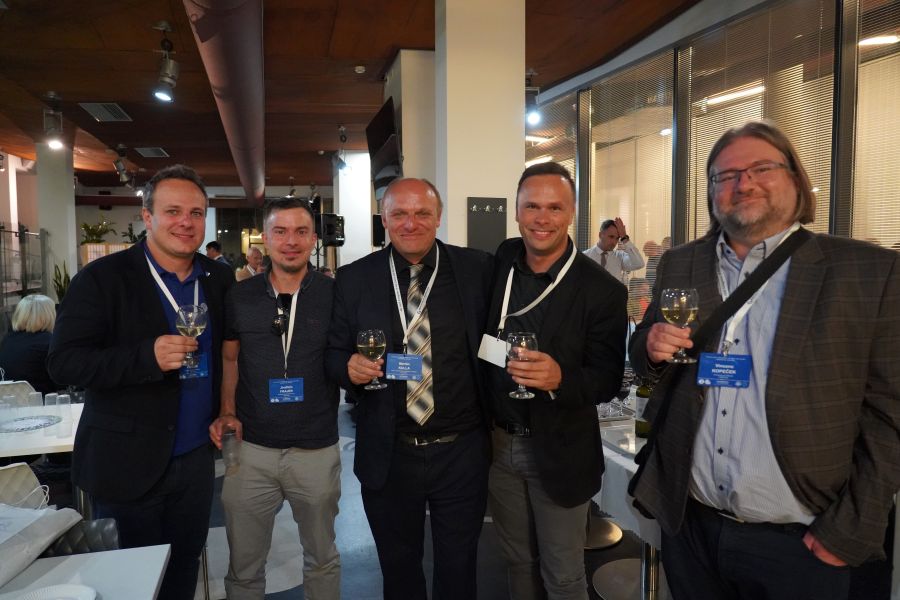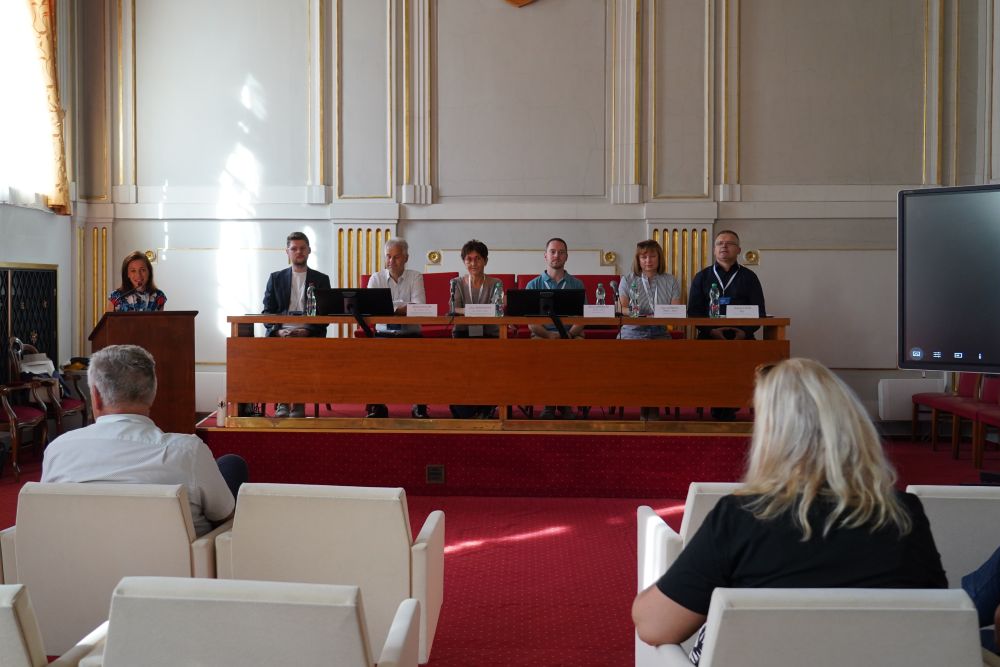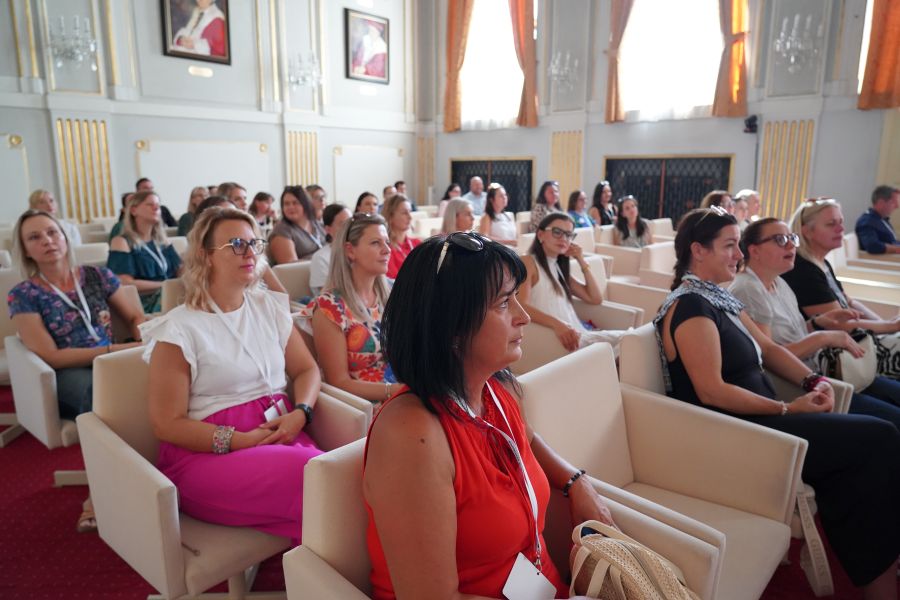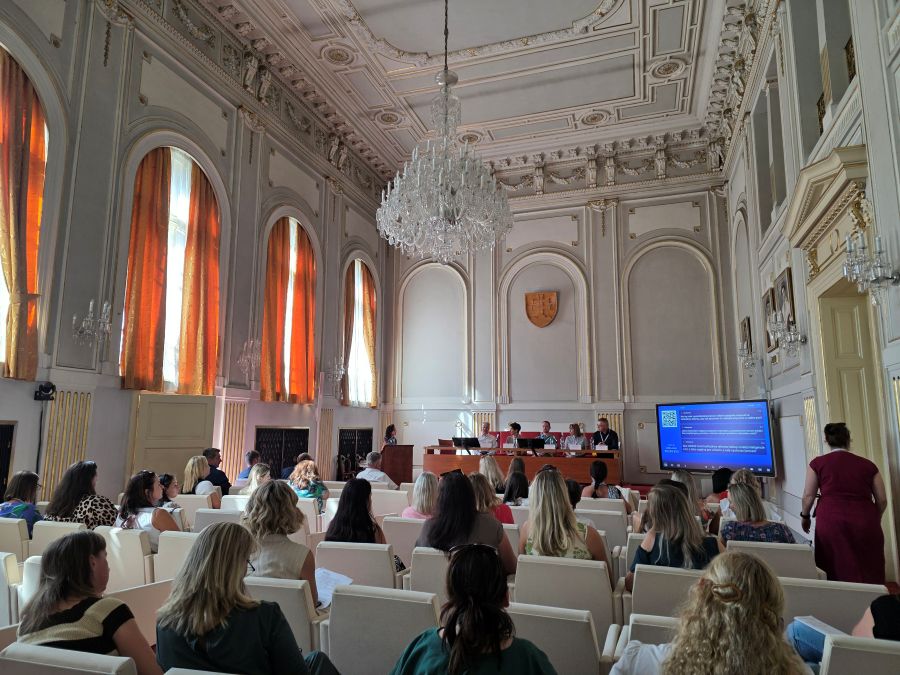




Pavol Jozef Šafárik University in Košice hosted more than 250 geographers from Slovakia, the Czech Republic and other countries from 7 to 10 September 2026 during the 4th Joint Congress of the Czech Geographical Society and the Slovak Geographical Society, entitled Geography in the Changing World. The opening programme also included an official reception for leading representatives of the global, European, Slovak and Czech geographical communities hosted by the leadership of Pavol Jozef Šafárik University in Košice.
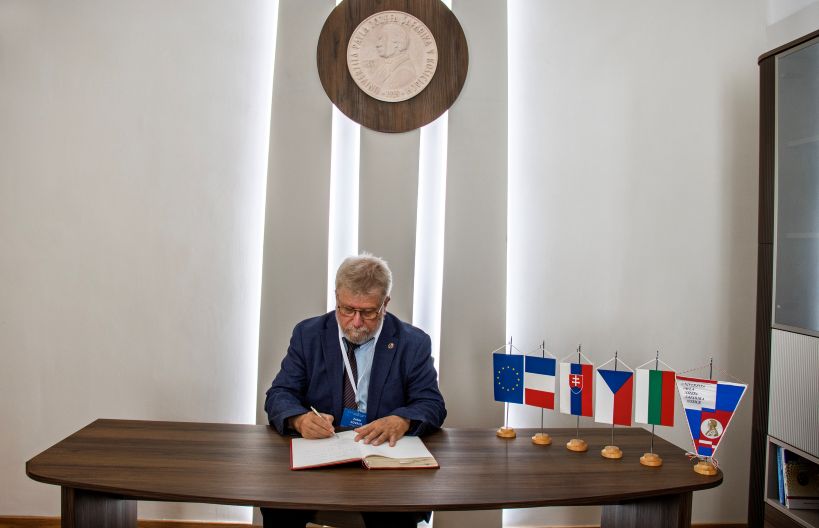
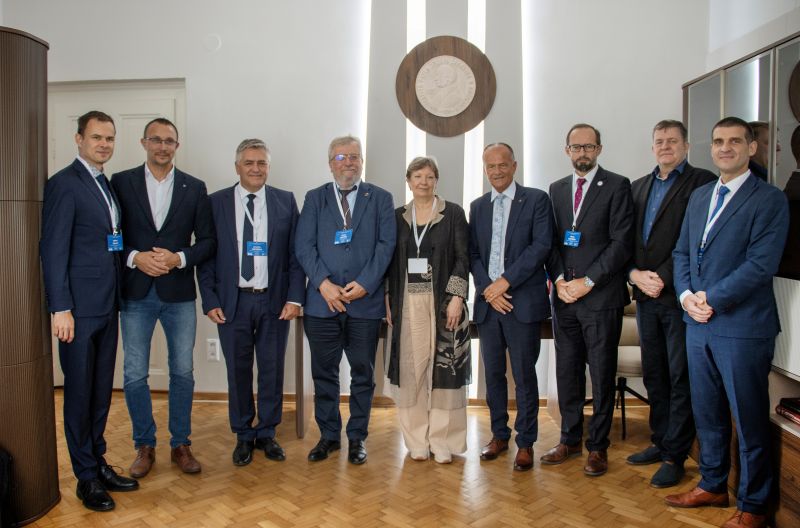
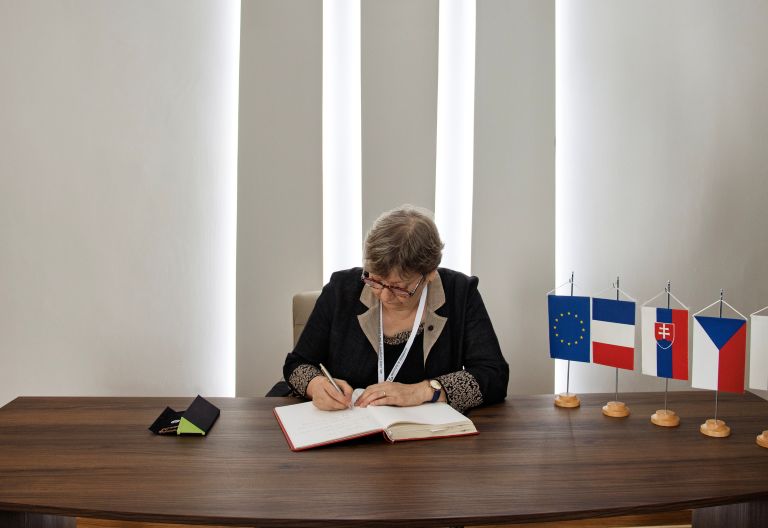
Before the official opening of the congress on Monday, 7 September, the Rector of UPJŠ in Košice, Prof. Daniel Pella, and the Vice-Rector for the Quality of Education, Prof. Jaroslav Hofierka, welcomed representatives of major geographical organisations in the Šafárik Chamber at the UPJŠ Rectorate. The guests included Prof. Nathalie Lemarchand, President of the International Geographical Union (IGU); Prof. Zoltán Kovács, President of the Association of Geographical Societies in Europe (EUGEO); Prof. Martin Boltižiar, President of the Slovak Geographical Society; and RNDr. Jiří Preis, Ph.D., Vice-President of the Czech Geographical Society. The meeting was also attended by the Dean of the Faculty of Science of UPJŠ, Assoc. Prof. Roman Soták; the Vice-Dean for External Relations of the Faculty of Science, Assoc. Prof. Michal Gallay; and Assoc. Prof. Ladislav Novotný, Chair of the Congress Organising Committee and Director of the Institute of Geography at the Faculty of Science of UPJŠ.
During the reception, the participants discussed the position of geography within contemporary science, its importance in addressing environmental and societal challenges, and the need to integrate natural-science, social-science and technological approaches. The discussion also focused on international cooperation among geographical societies, the development of scientific networks, and the role of geography in studying climate change, cities and regions, spatial inequalities, as well as the application of artificial intelligence and geoinformation technologies.
Congress Officially Opened at the Faculty of Science of UPJŠ
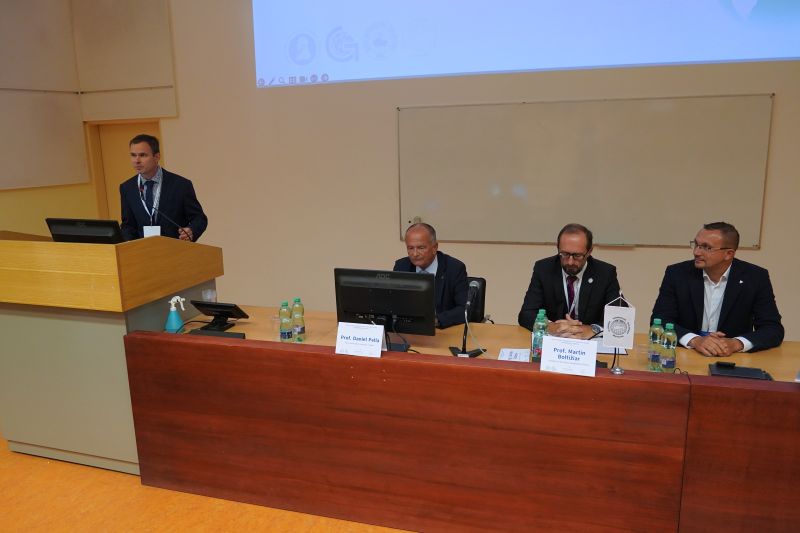
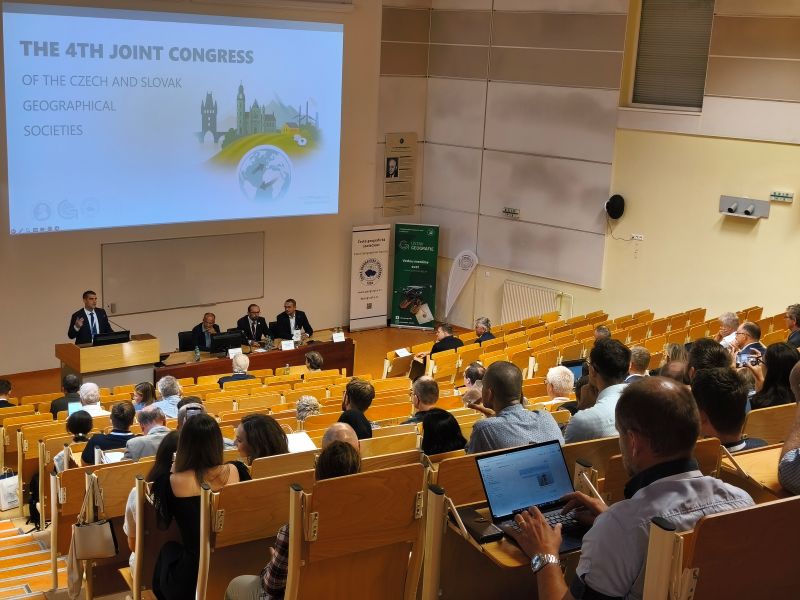
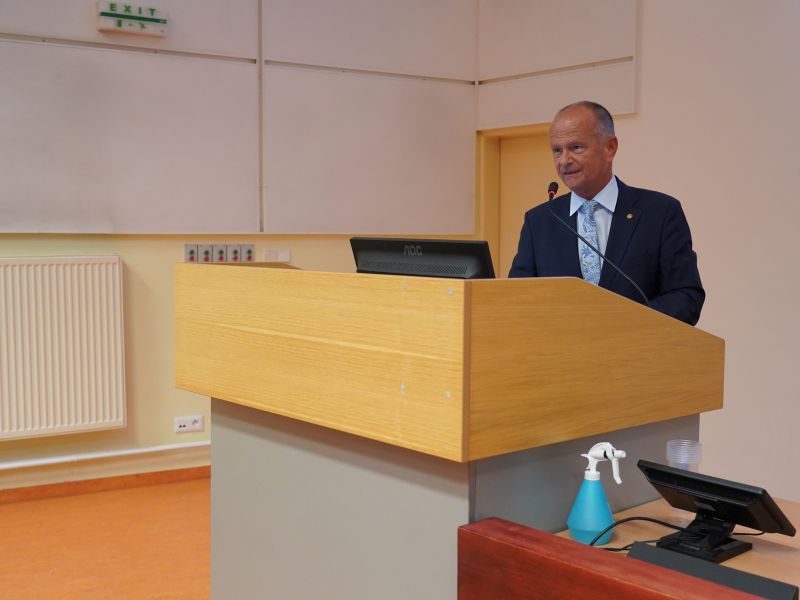
Following the reception at the Rectorate, the programme continued with the ceremonial opening of the congress in the M5 lecture hall at the Faculty of Science of UPJŠ. The participants were addressed by the Rector of UPJŠ, Daniel Pella; the President of the Slovak Geographical Society, Martin Boltižiar; and Jiří Preis, Vice-President of the Czech Geographical Society, who represented its President, Assoc. Prof. Pavel Chromý.
“The environment around us affects the quality of our everyday lives, including our health. Geography is therefore undoubtedly one of the scientific disciplines that enables us to understand the world in a broader context. It connects natural processes and the functioning of cities and regions with societal changes, while also providing tools for predicting their future development. Such knowledge can help us improve the environmental conditions in which we live. I am pleased that Košice, our university and its Faculty of Science have become a meeting place for distinguished European and international experts,” said UPJŠ Rector Daniel Pella.
The importance of jointly organising the congress by the Czech and Slovak geographical communities, as well as its international dimension, was also highlighted by EUGEO President Zoltán Kovács. A substantial part of the scientific programme was conducted in English, strengthening the wider European and international character of the event.
Congress Connecting Physical, Human and Technological Geography
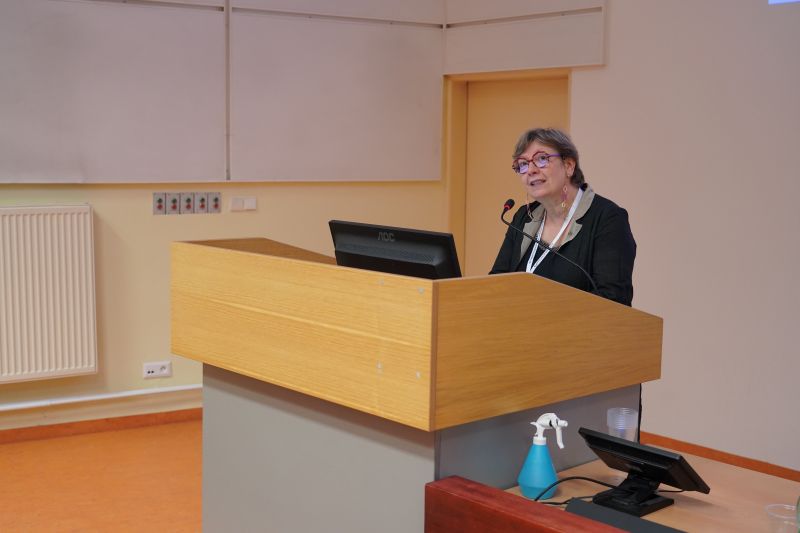
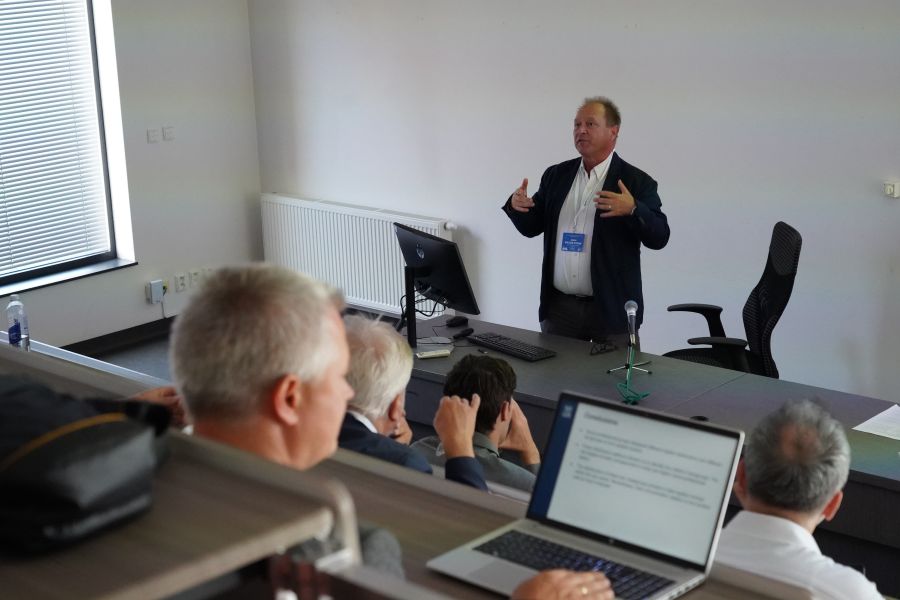
Among the keynote guests of the congress were IGU President Prof. Nathalie Lemarchand, who addressed the transformation of large retail areas; EUGEO President Prof. Zoltán Kovács, who presented a lecture on the challenges of sustainable cities; and Prof. Jakub Langhammer from Charles University in Prague, who focused on how technology and artificial intelligence are transforming geographical research and the work of geographers.
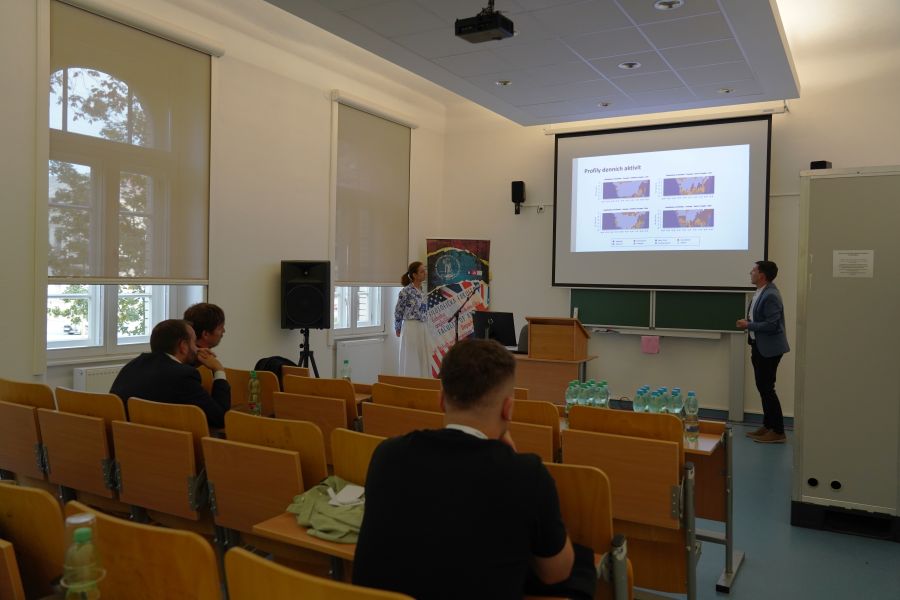
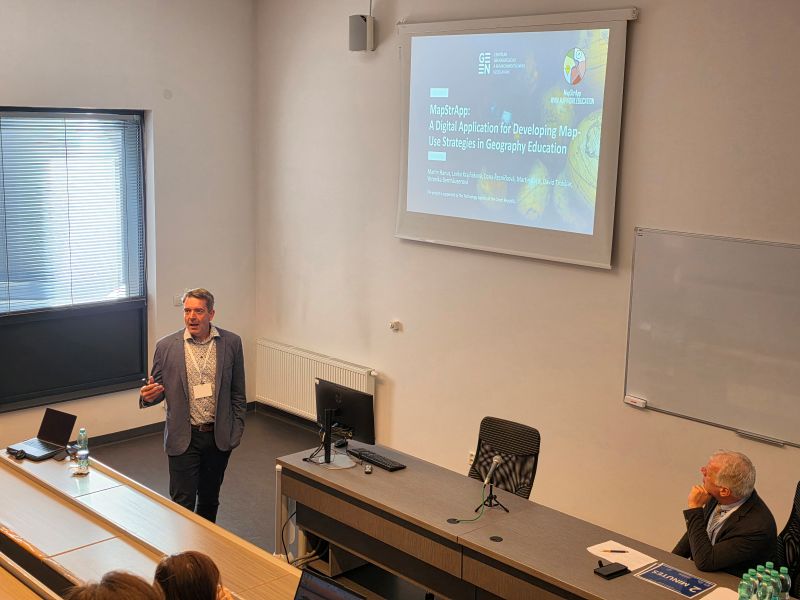
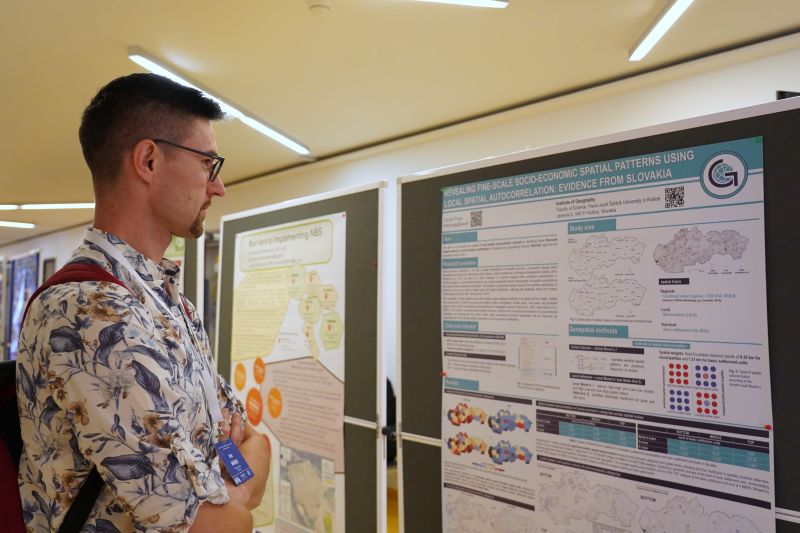
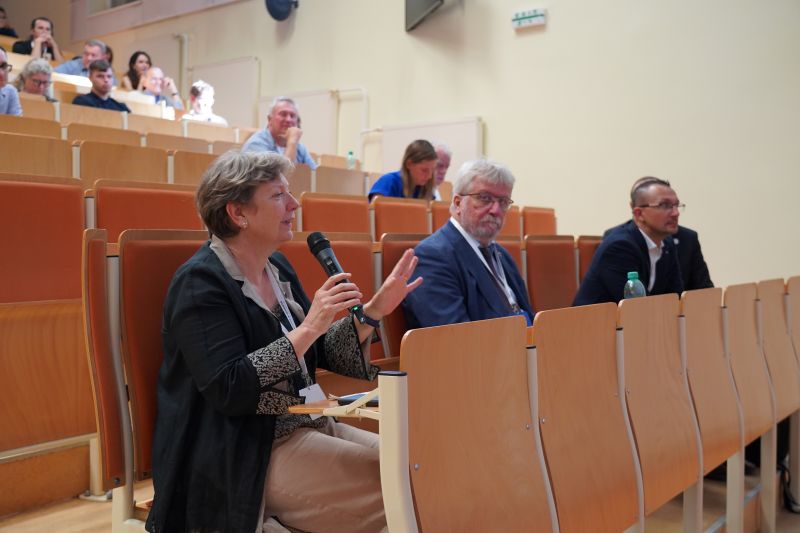
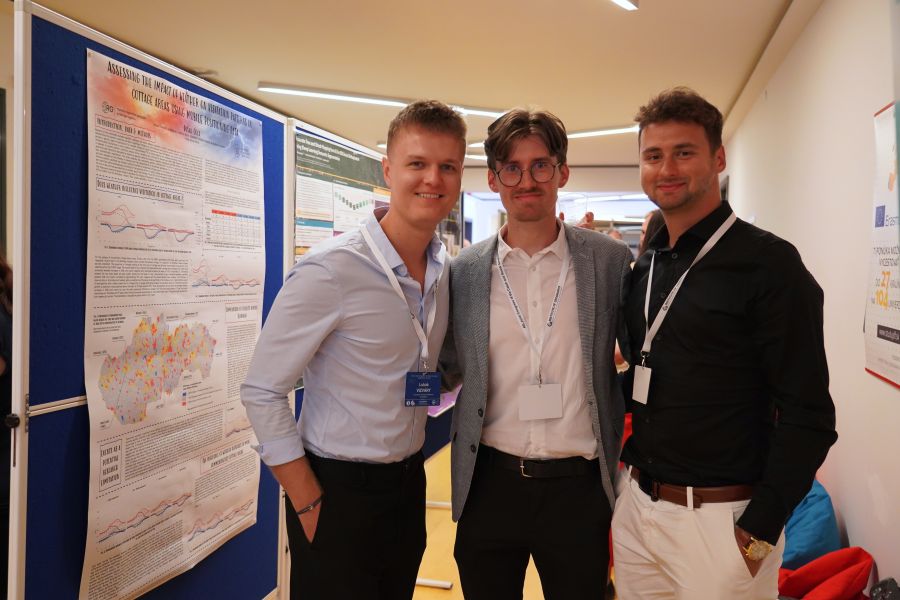
The scientific programme included plenary lectures and panel discussions, thematic sessions, poster presentations, a geography education day and concluding field excursions. The programme covered a broad range of topics, from GeoAI and remote sensing to urban development, transport, migration, regional disparities, natural hazards and landscape change.
The congress concluded on Thursday, 10 September, when participants moved from the university premises into the field for full-day and half-day professional excursions. These focused on contemporary landscape changes in Košice and its surroundings, as well as their historical and natural context.
More information about the congress and the main themes of its scientific programme is available in the University press release and in an article published by the Slovak Centre of Scientific and Technical Information. An overview of the topics presented at the congress can be found in the Book of Abstracts. Further information about the Geography Education Day is available here, while the atmosphere of the event is captured in the congress photo gallery.