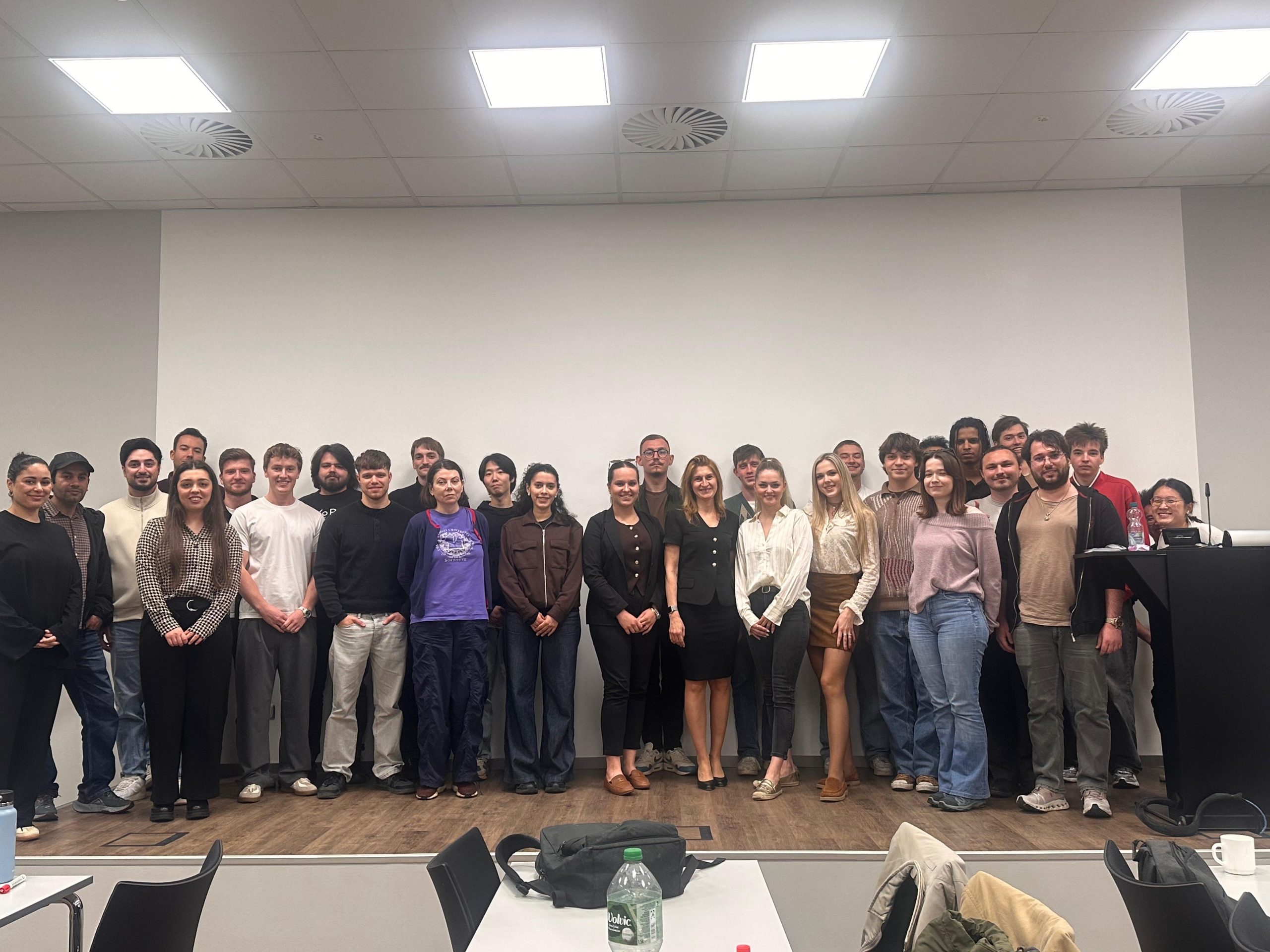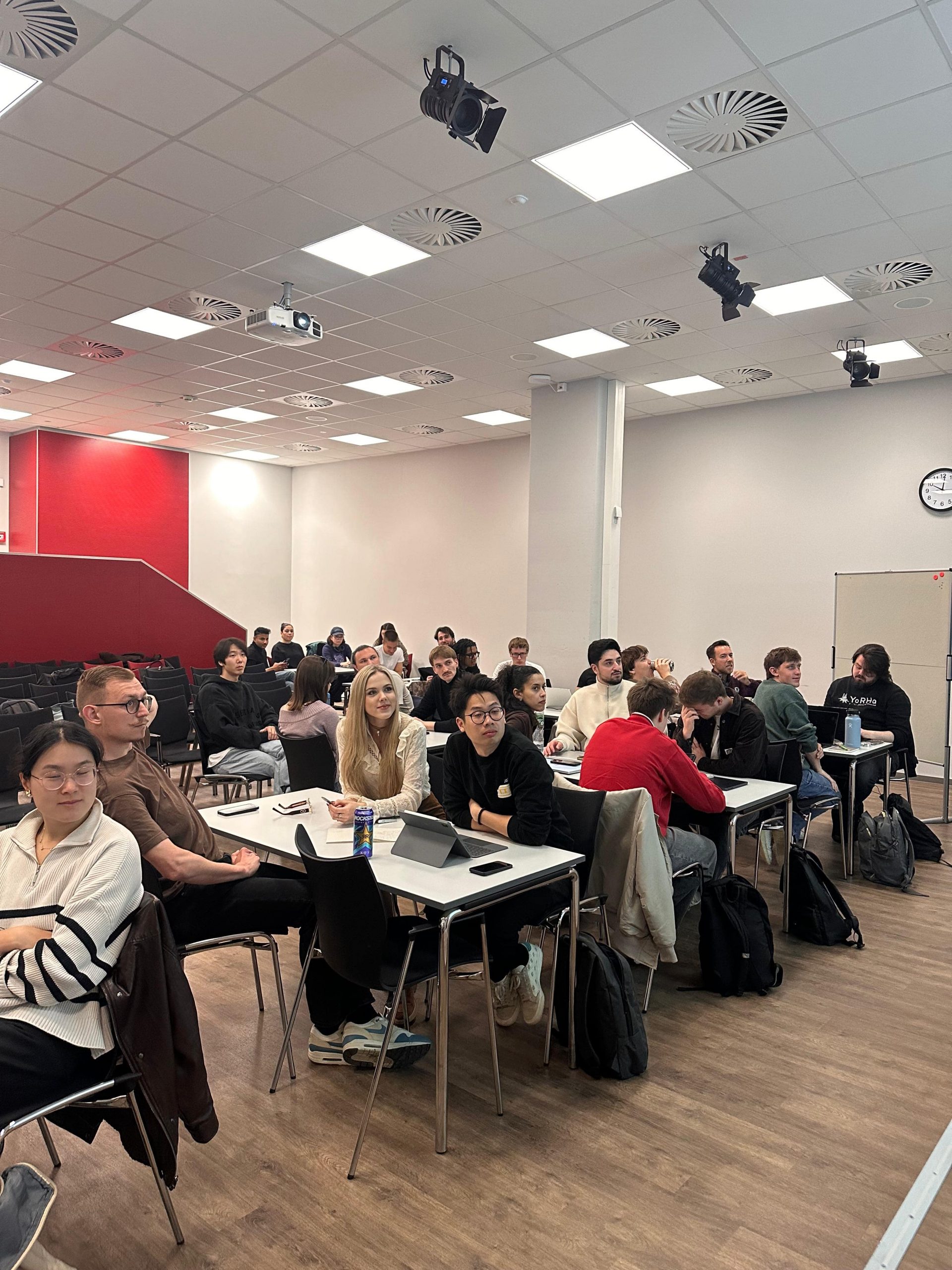



From 18 to 22 May 2026, I participated in the Blended Intensive Programme (BIP) Digital Resilience for Vital Europe, which focused on various aspects of digital resilience. One of the main objectives of the programme, organized by the University of Duisburg-Essen in Germany, was to provide participants with theoretical knowledge and to present digital resilience as a modern and essential concept for contemporary society.
As a PhD student in History, I have already taken part in several mobility programmes within the Aurora Alliance, and this particular mobility represented a certain challenge for me, as it was primarily focused on digital skills and STEM disciplines. However, from an interdisciplinary perspective, the course proved to be highly beneficial. Multicultural project groups were formed, and the diversity of their members already promised the development of high-quality and engaging projects, which were presented on the final day of the programme.
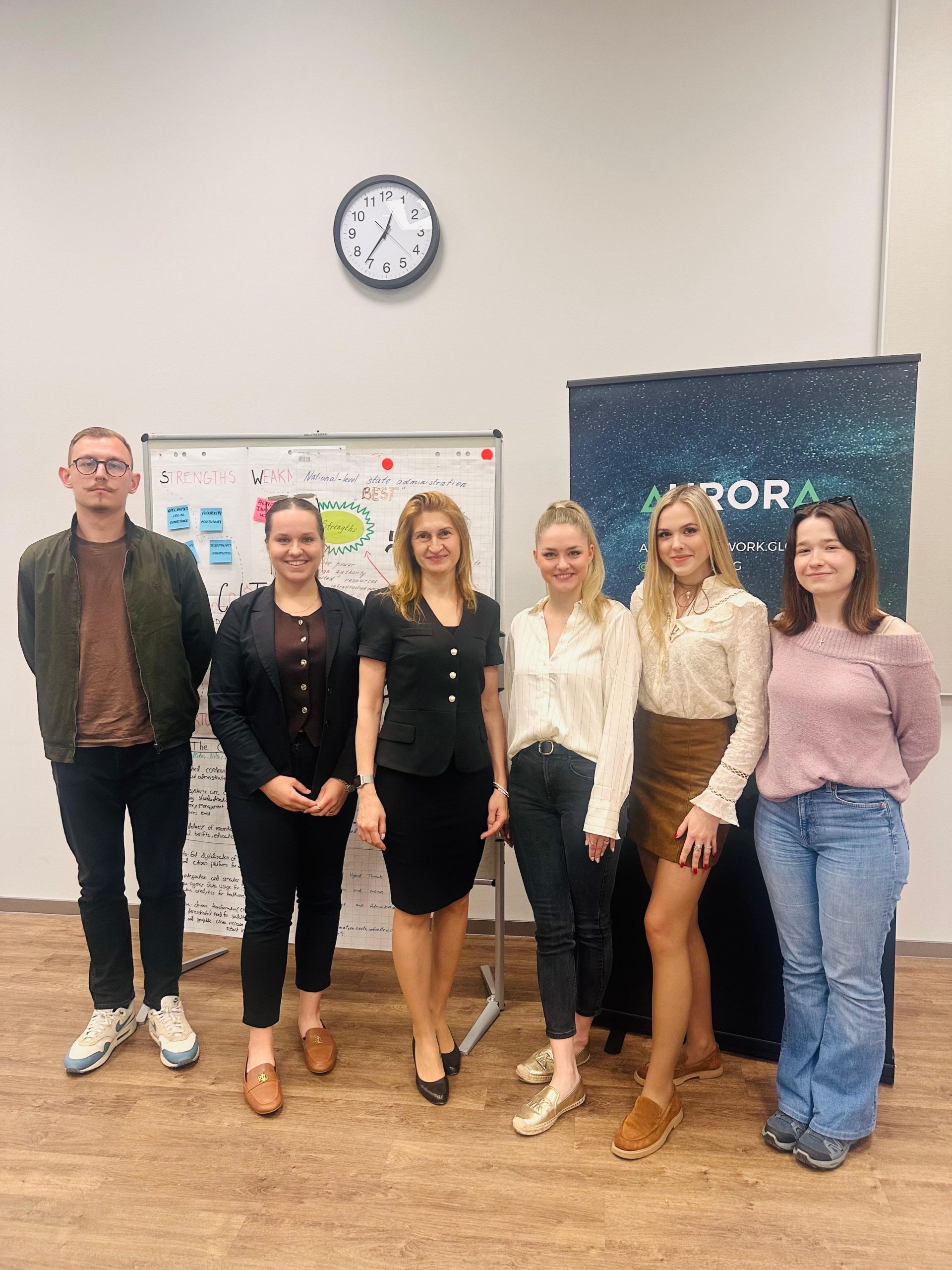
As part of the programme assignment, I worked in an interdisciplinary team alongside students of Computer Science and Economics. Our task was to reflect on the issue of digital security in the city of Essen and propose practical solutions that could be implemented within the municipal administration. In addition to the materials and theoretical framework provided, we had the opportunity to discuss the topic with representatives of the city, who also attended our final presentation. Throughout the programme, discussions about our research projects and fields of study took place not only among students but also with the organizers and guest speakers, further strengthening the sense of community.
My only minor recommendation for organizers of the BIP would be to create more space for introductory and networking activities at the beginning. Such activities could further enhance team dynamics and foster interaction among all participants. At first glance, bringing together students of Economics, Computer Science, and History may not seem like a formula for productive collaboration. However, the level of interdisciplinarity, willingness to cooperate, ability to think beyond established frameworks, and efforts to identify connections across different fields of research ultimately produced valuable results.
Working in an international environment with students from diverse academic backgrounds offered me numerous new perspectives on my own research. These insights can be incorporated into and applied within my future work, and they are experiences I would never have gained without participating in this mobility programme.
I would highly recommend Aurora Alliance mobility programmes and courses to all students who wish to broaden their horizons, gain insight into how education and research function in different parts of the world, and build professional connections and friendships that extend beyond the university environment.
Viktória Švigárová
PhD Student in History
Department of History, Faculty of Arts
Pavol Jozef Šafárik University in Košice