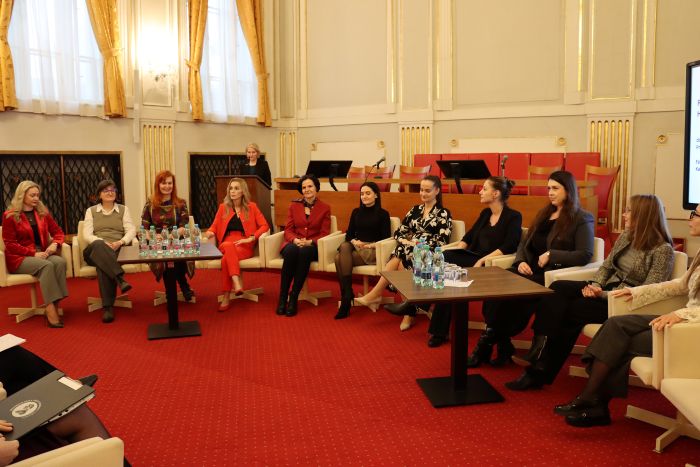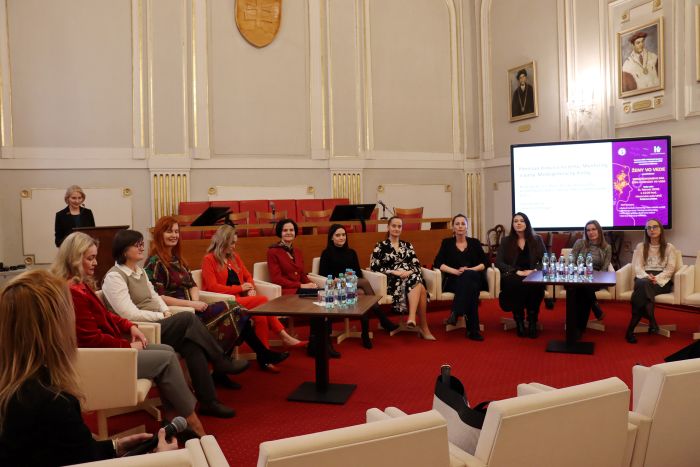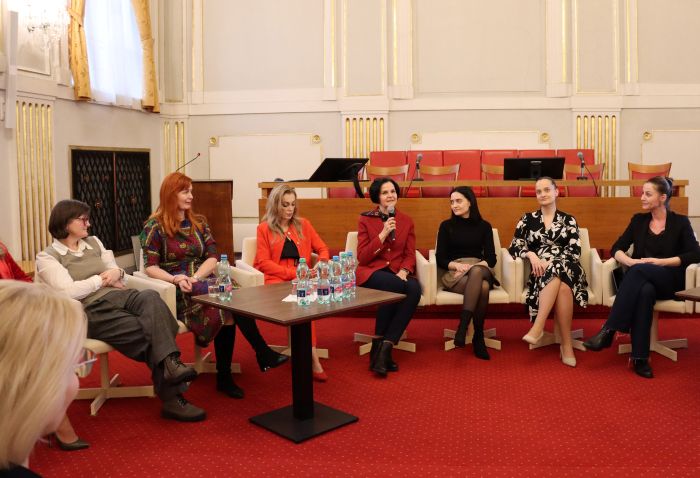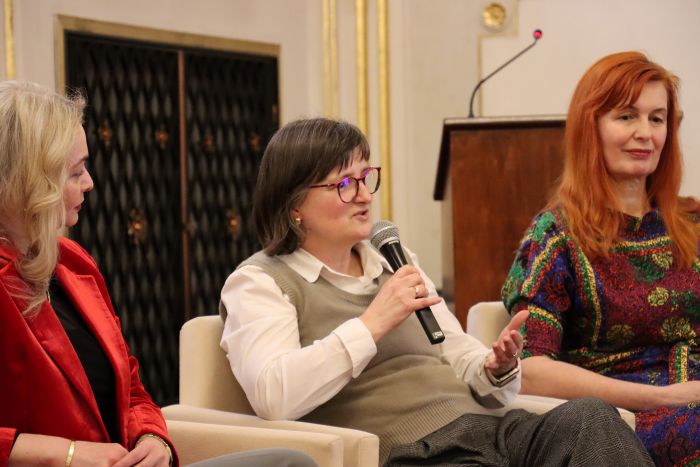



On the occasion of the International Day of Women and Girls in Science, celebrated of February 11, the management of Pavol Jozef Šafárik University in Košice organized a panel discussion titled Women in Science.
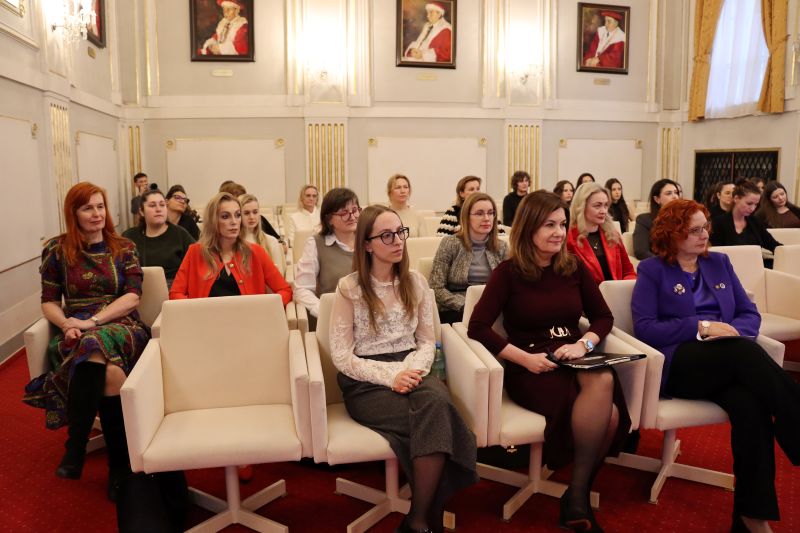
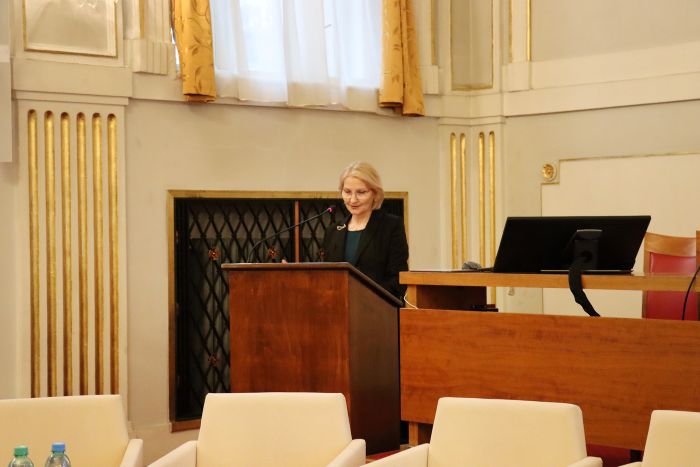
Prof. RNDr. Renáta Oriňaková, DrSc., Vice-Rector for Science, Research, and Projects opened the event with a statement that support in the academic working environment is crucial for female scientists. She called on the invited ladies to be open and share inspiring ideas in the discussion and thanked the audience for their participation, which she sees as a sign of interest in the academic community at UPJŠ in Košice.
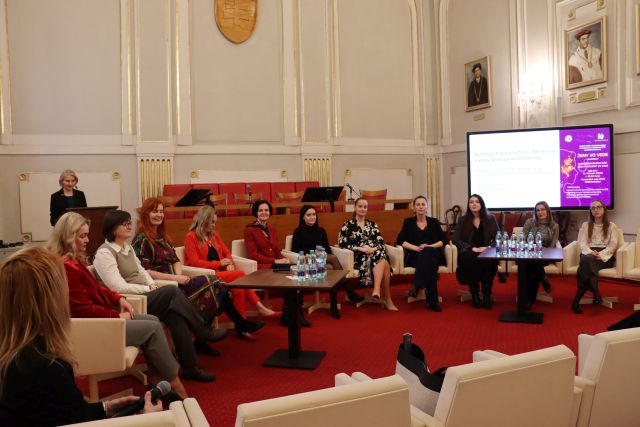
Ladies invited to the discussion:
JUDr. Ľudmila Elbert, PhD., university associate professor, Vice-Rector for Undergraduate and Lifelong Learning
doc. Mgr. Adriana Jesenková, PhD., Chair of the Commission for Gender Equality at UPJŠ;
doc. MUDr. Sylvia Dražilová, PhD., Rector’s Advisor for Health Care;
doc. MUDr. Silvia Timková PhD., MHA, Vice-Dean for Cooperation with Teaching Bases at the Faculty of Medicine at UPJŠ;
prof. RNDr. Zuzana Vargová, Ph.D.;
Mgr. Gabriela Kuzderová, PhD.;
Mgr. Viktória Adamov Kráľová, PhD.;
doc. JUDr. Regina Hučková, PhD.;
Mgr. Simona Rudohradská, PhD.;
Mgr. Silvia Rosivalová Baučeková, PhD.
Mgr. Lucia Gallová, PhD.
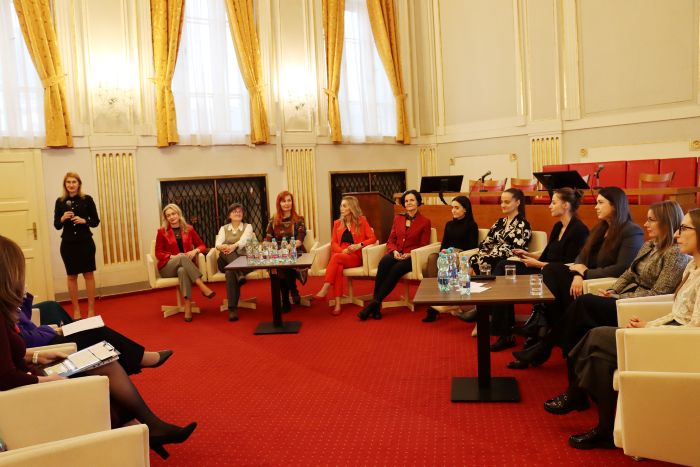
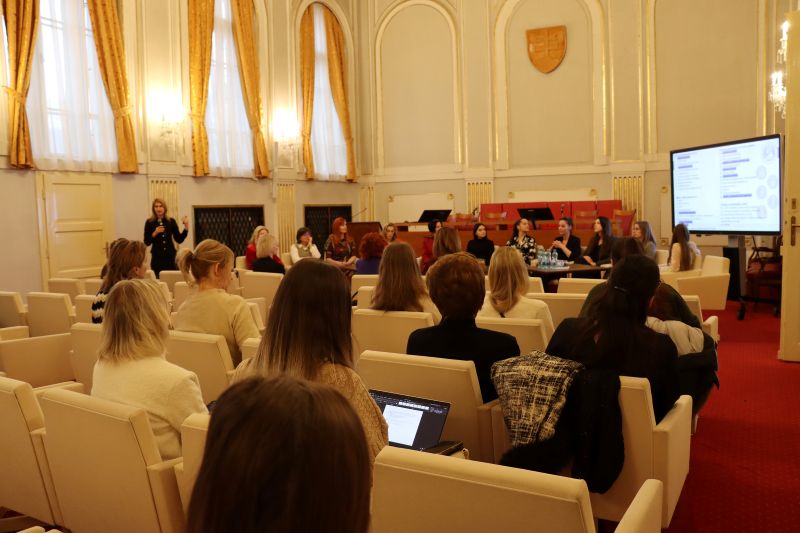
The program continued with a presentation by doc. Ing. Silvia Ručinská, PhD., university professor, Vice-Rector for Internationalization, on gender equality and mentoring within the HRS4R strategy, which UPJŠ adopted in 2020. With this step, our university has made a commitment to the European Commission to adhere to the principles of the European Charter for Researchers and the Code of Conduct for the Recruitment of Researchers. Vice-Rector Ručinská presented the main pillars of the strategy in the areas of ethics, integrity, gender and open science, the assessment and recruitment of researchers, working conditions and procedures, careers, and talent development. She also invited the women present to contribute to the discussion with their suggestions for improving internal processes in order to enhance the overall quality of conditions at the university.
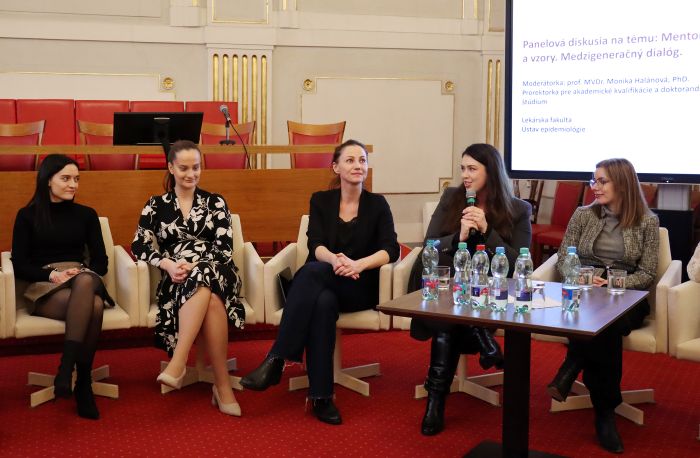
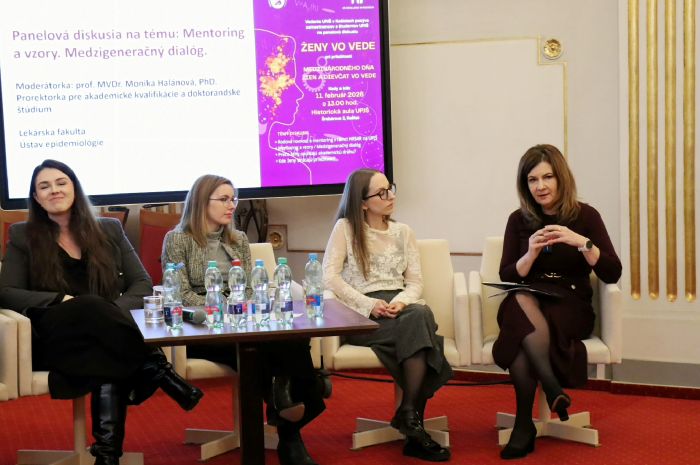
Mentoring and role models. Intergenerational dialogue
The first panel discussion was moderated by prof. MVDr. Monika Halánová, PhD., Vice-Rector for Academic Qualifications and Doctoral Studies, who opened the discussion by saying that mutual dialogue between generations requires openness, the ability to listen, and a willingness to learn. The panelists identified differences in communication between the younger and older generations and the need to strive for mutual understanding. During this part of the program, the invited guests reminisced about their mentors in the early stages of their careers, as well as throughout their careers. Panelists expressed moving words of gratitude and admiration.
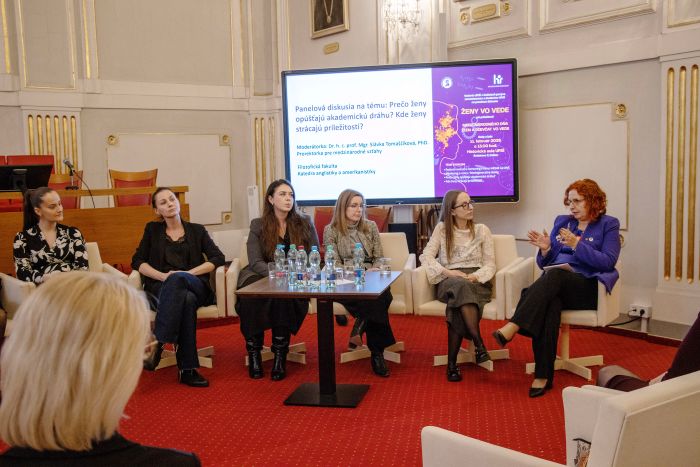
Why do women leave academia? Where do women lose opportunities?
The second panel discussion was led by Dr. h. c. prof. Mgr. Slávka Tomaščíková, PhD., Vice-Rector for International Relations. The discussion covered a number of social dilemmas, such as career-family balance, opportunities for women after completing their doctoral studies and balancing them with motherhood, as well as gender stereotypes, prejudices, and micro-discrimination, which are still part of our society and corporate culture. The participants agreed that women with children and men with children are still often perceived differently in the workplace, even though both parents bear equal responsibility for their offspring. One of the conclusions of the debate was that compromises and support from partners, families, employers, and work colleagues are among the decisive factors in encouraging young female scientists to remain in academia and develop their careers.